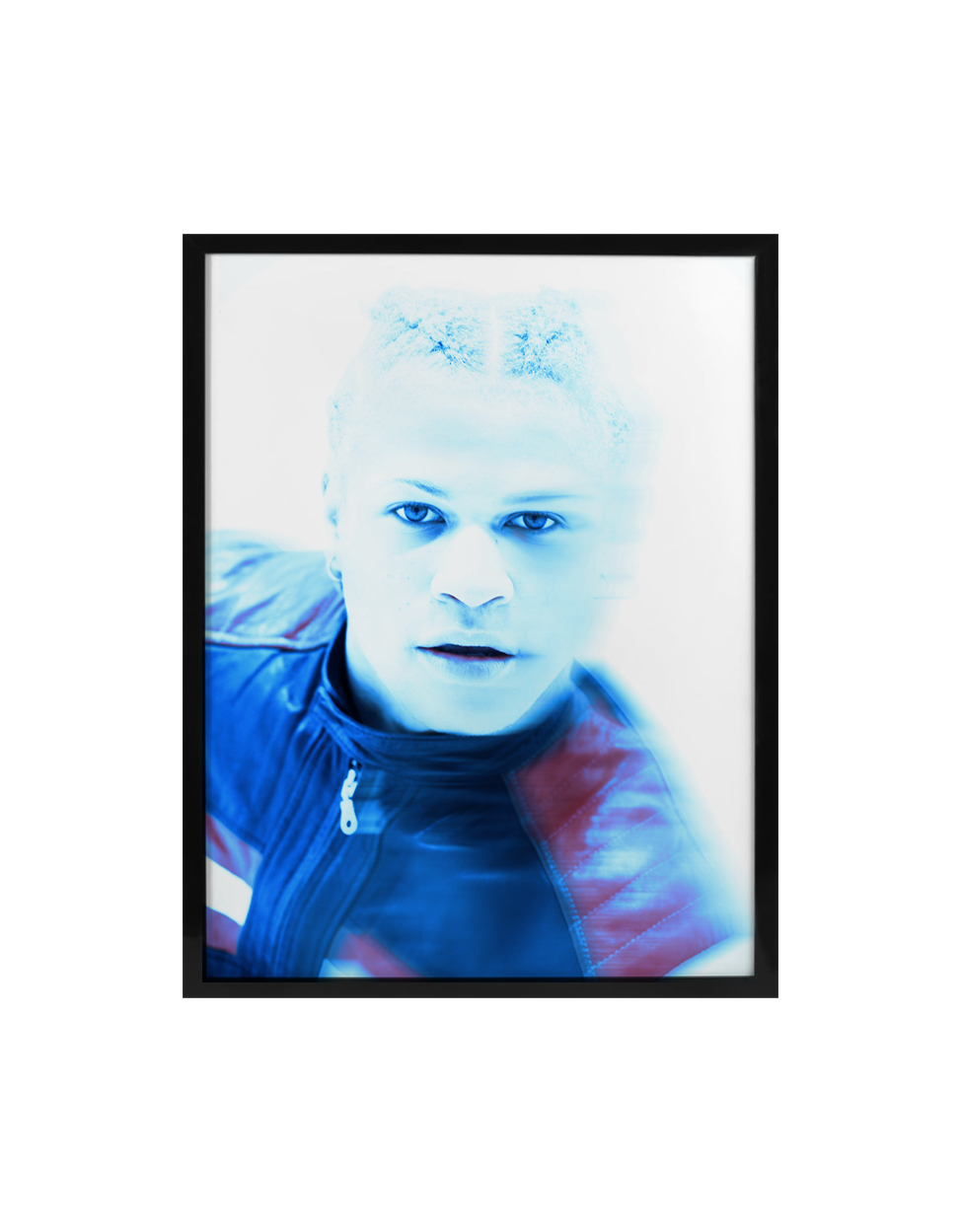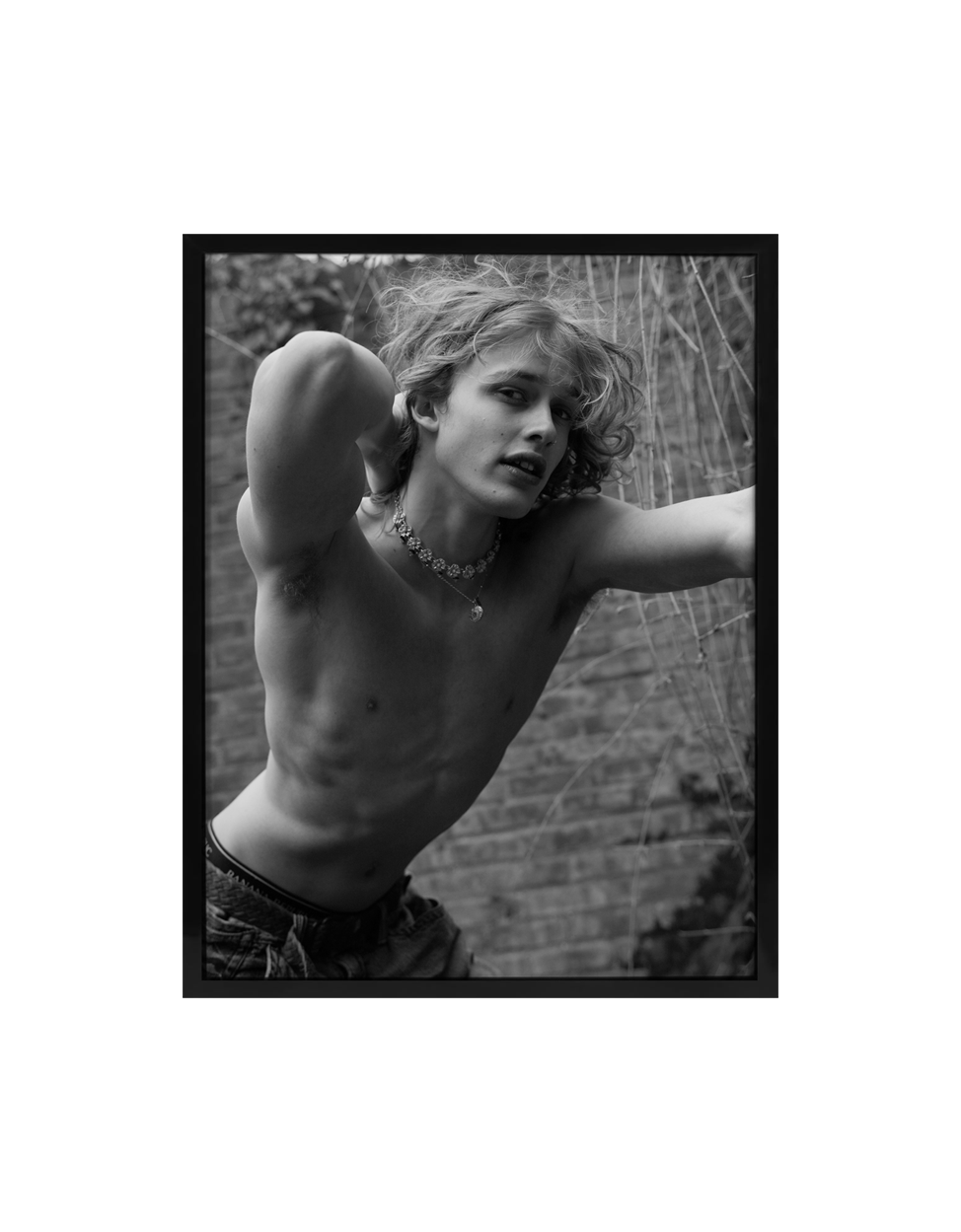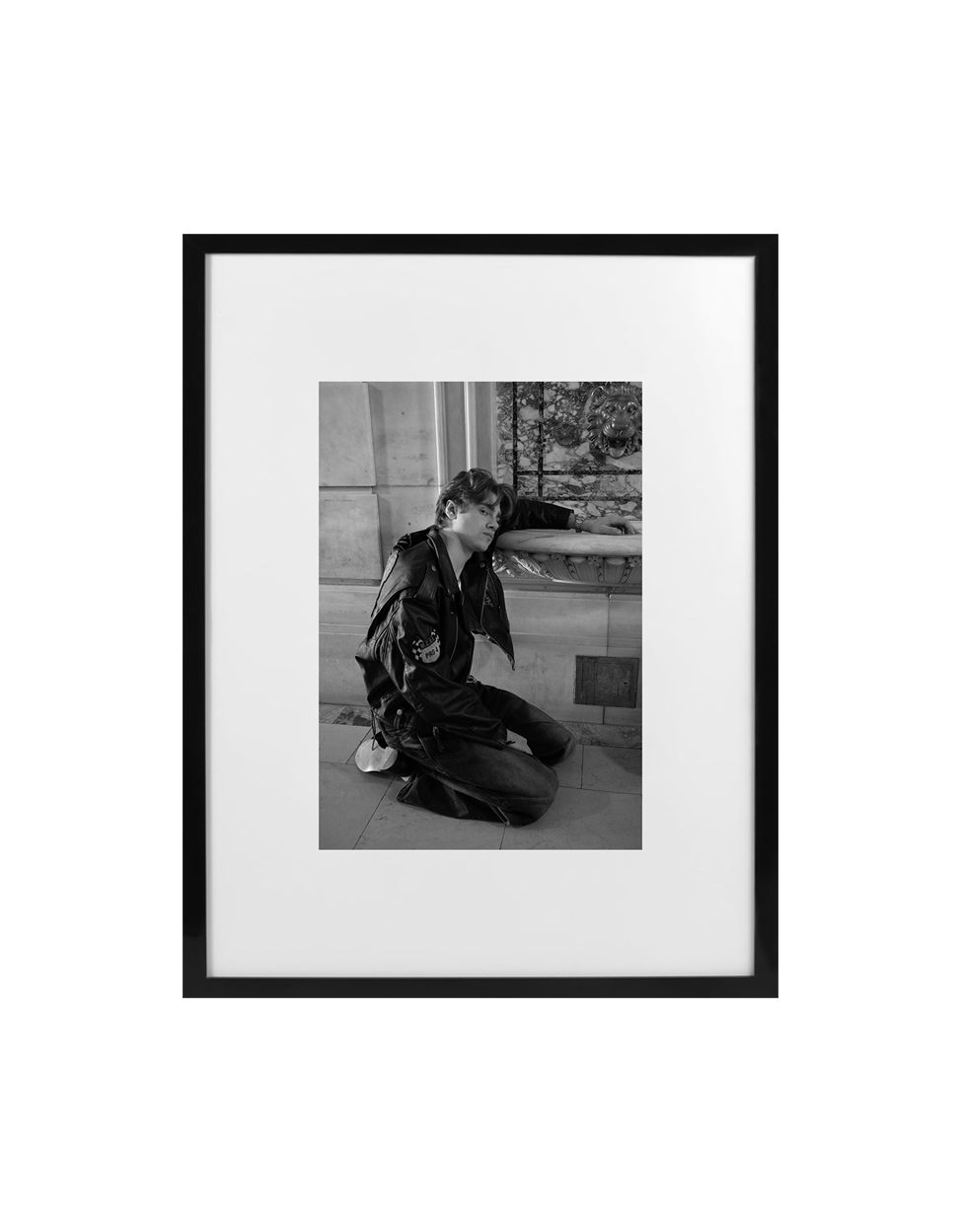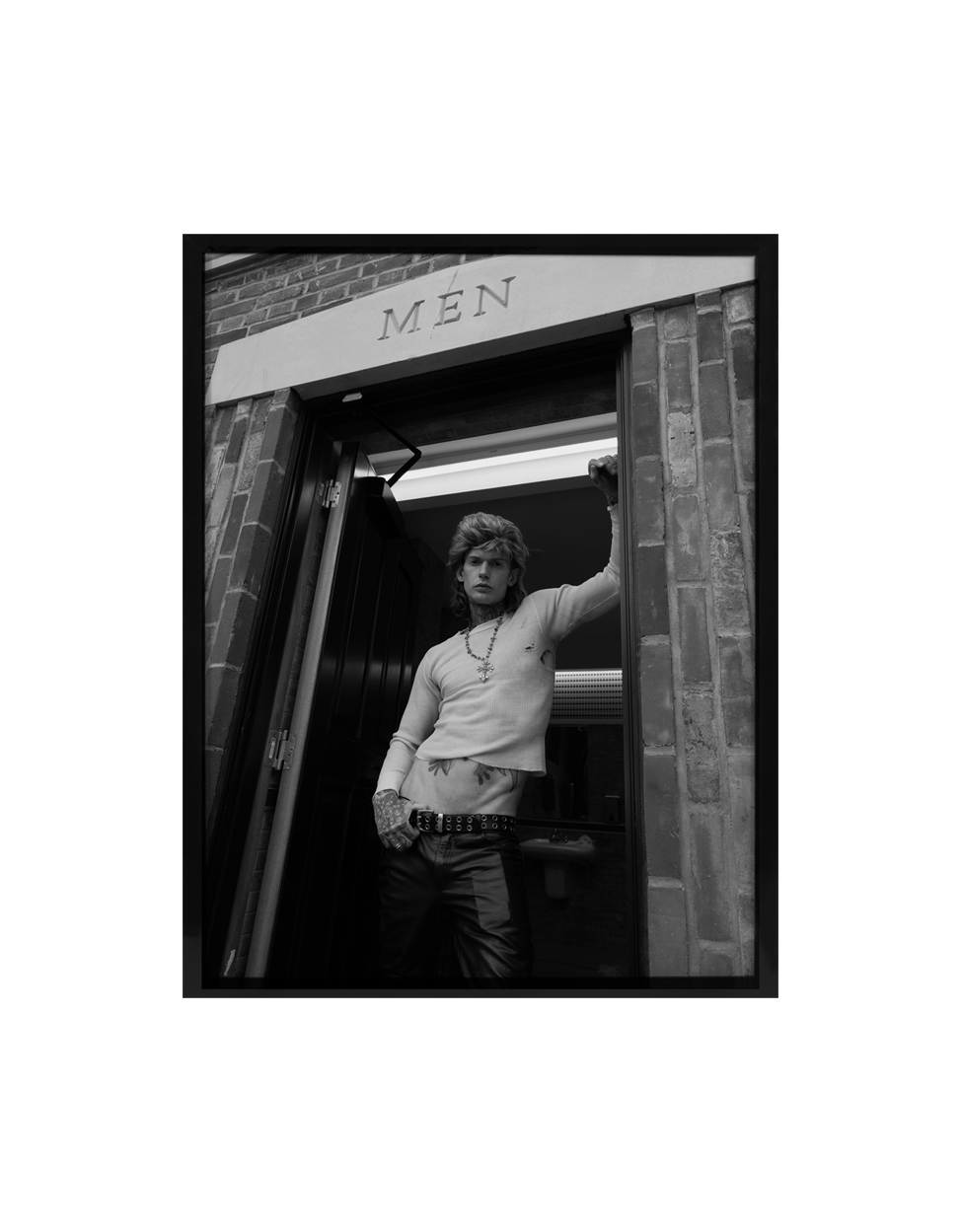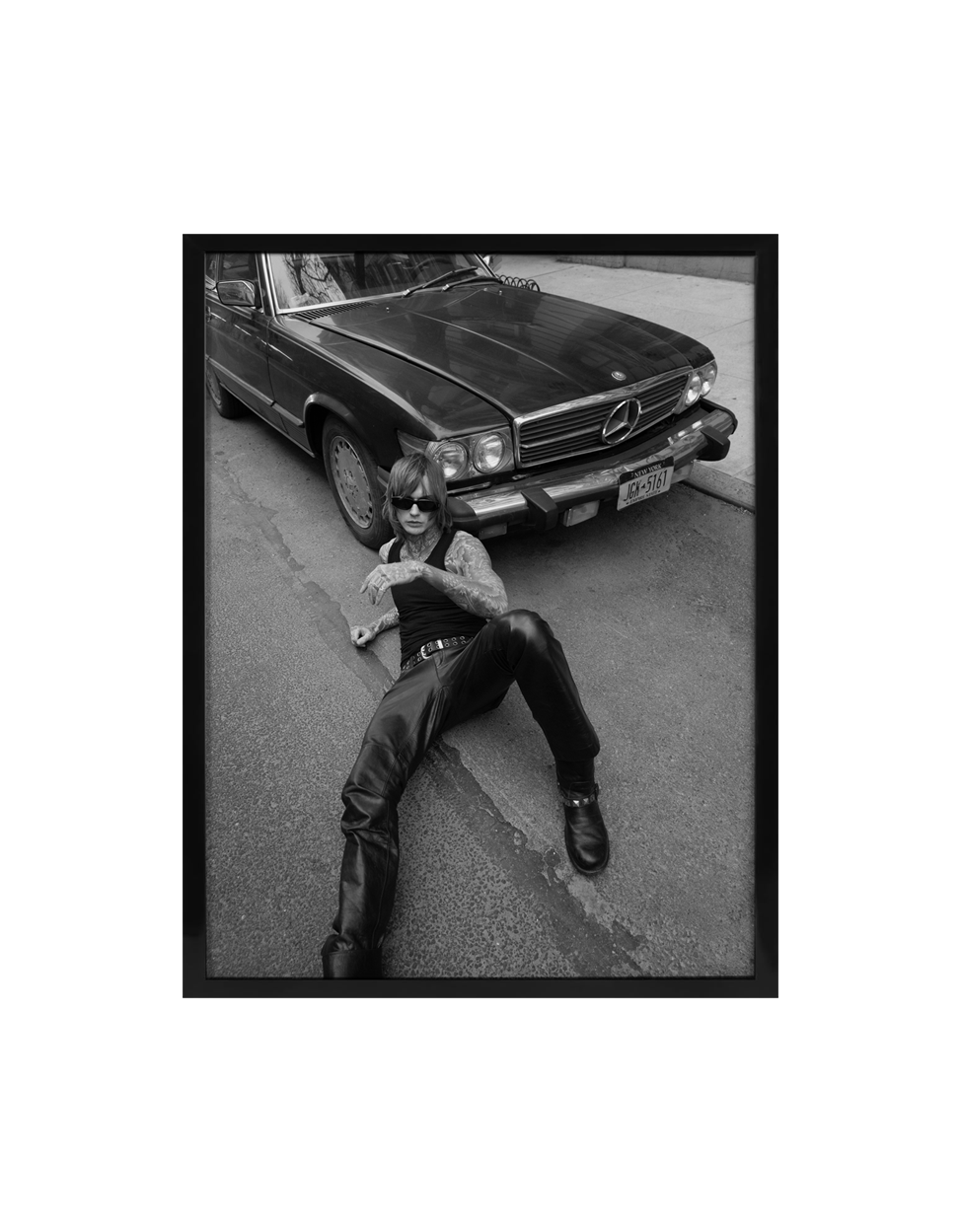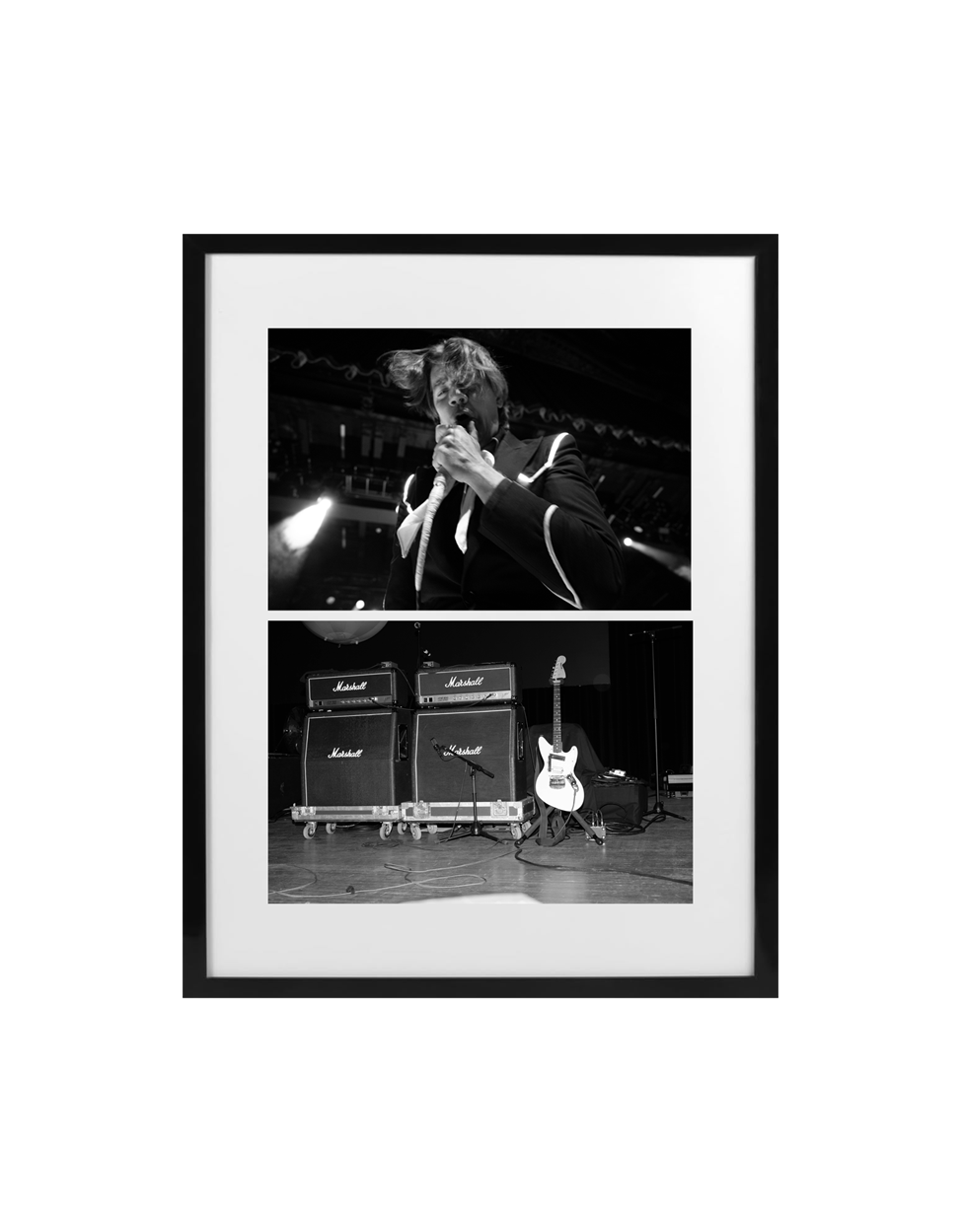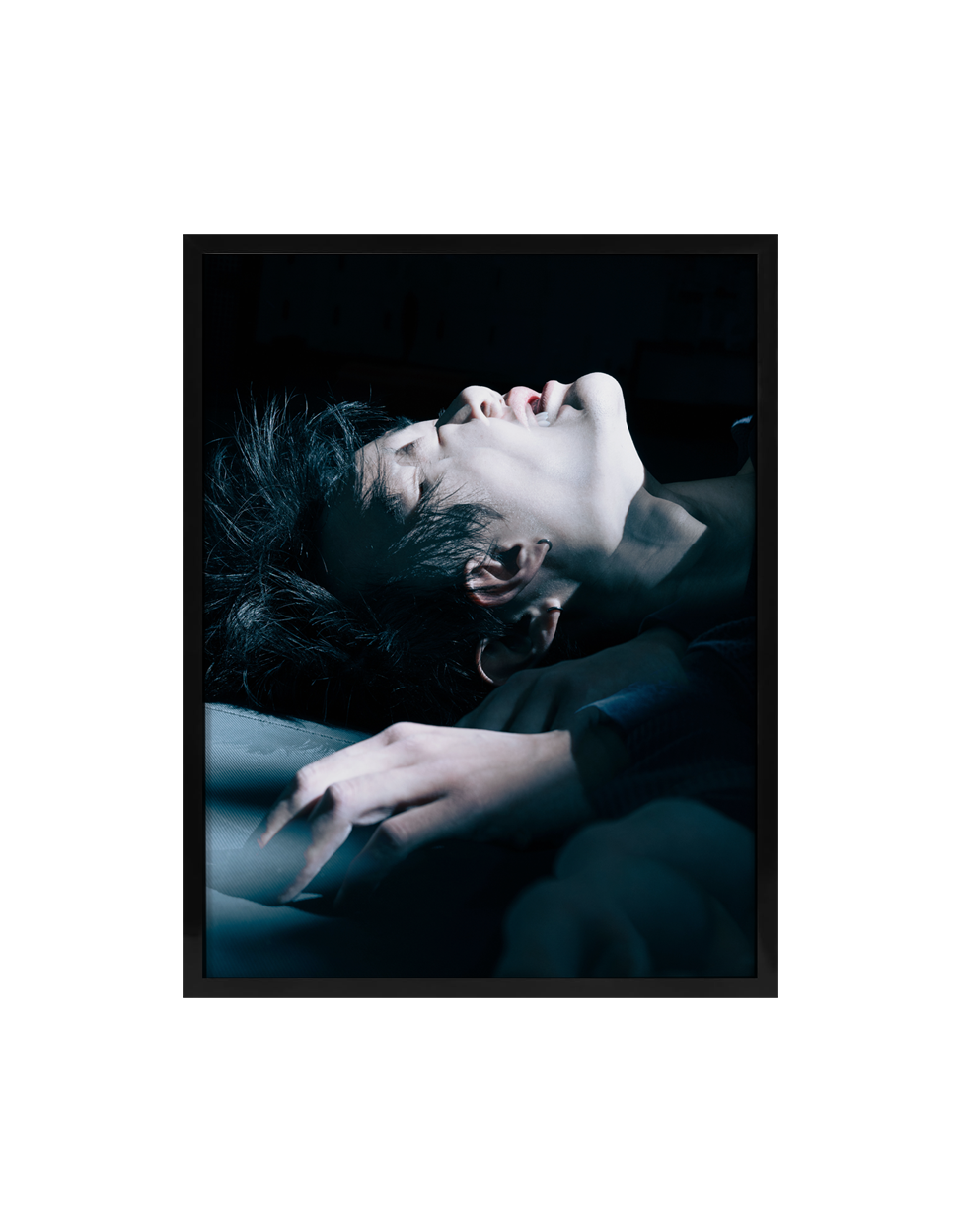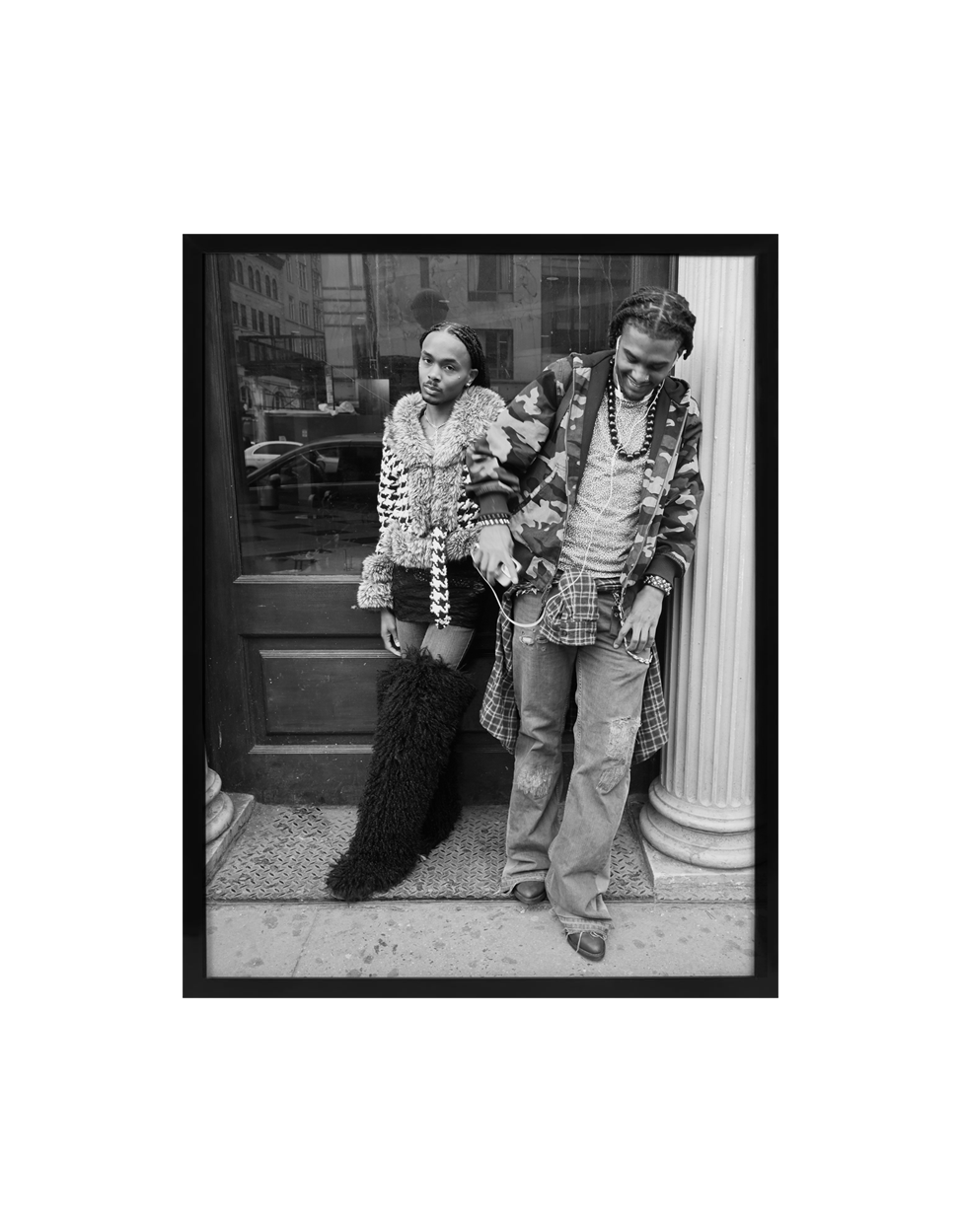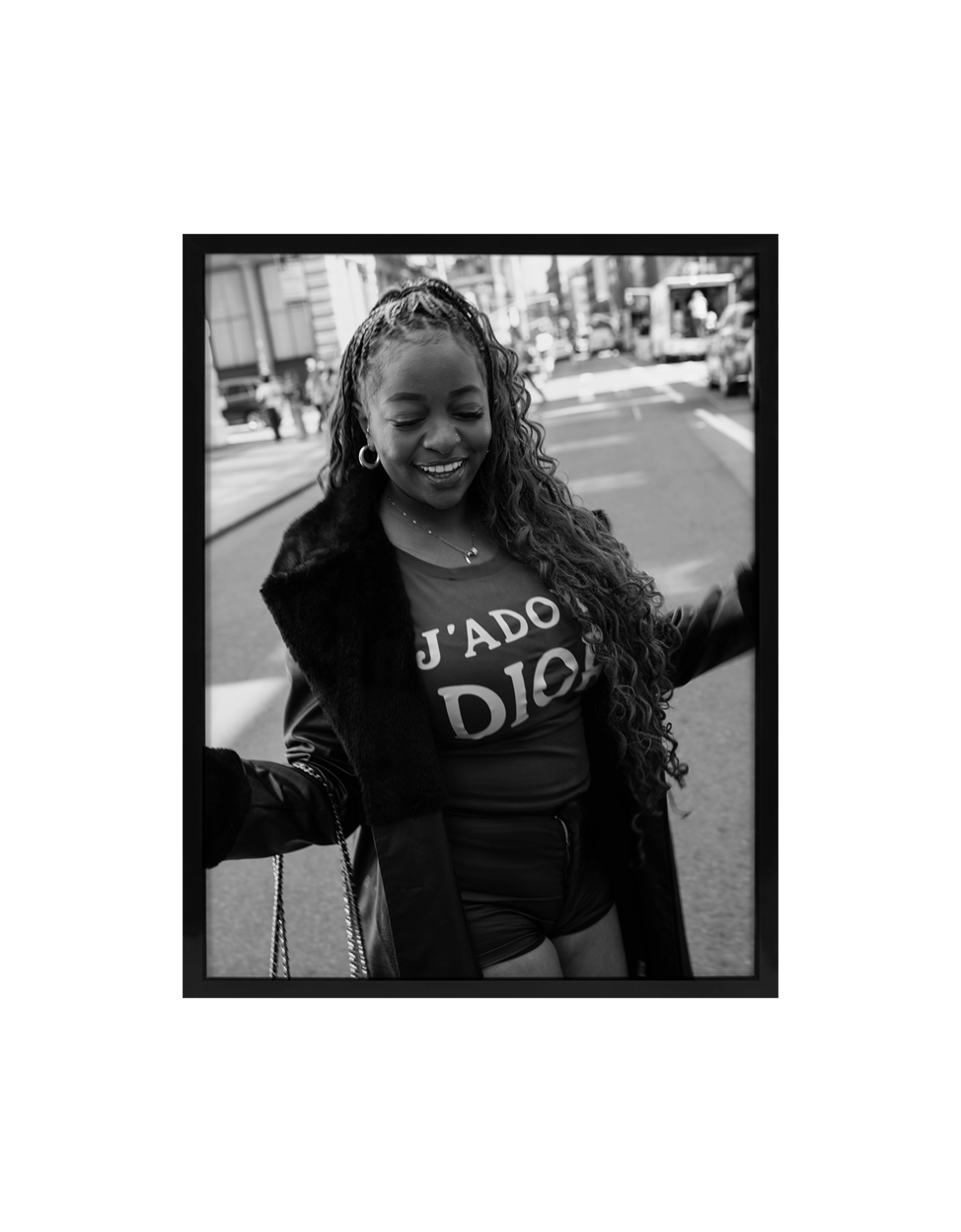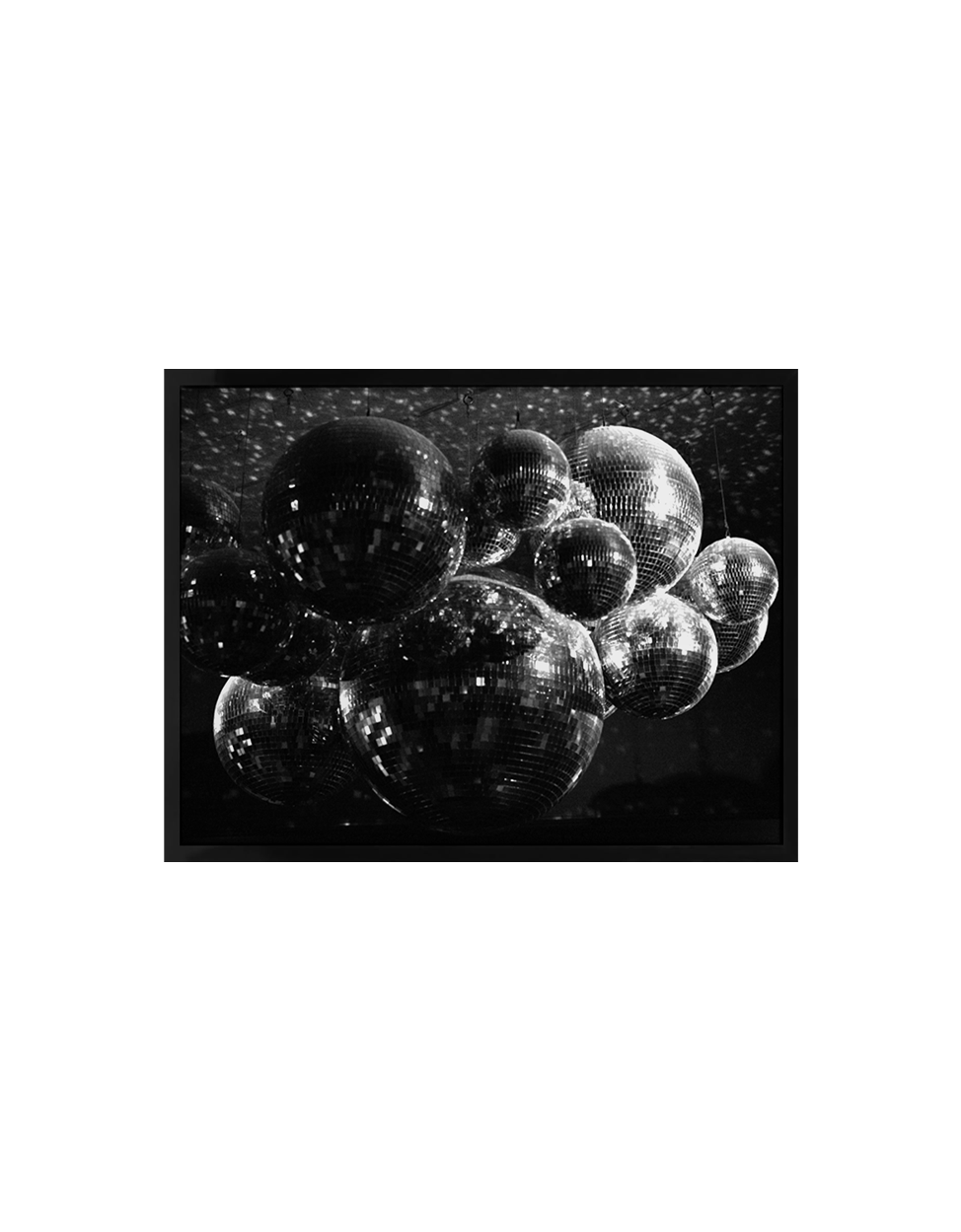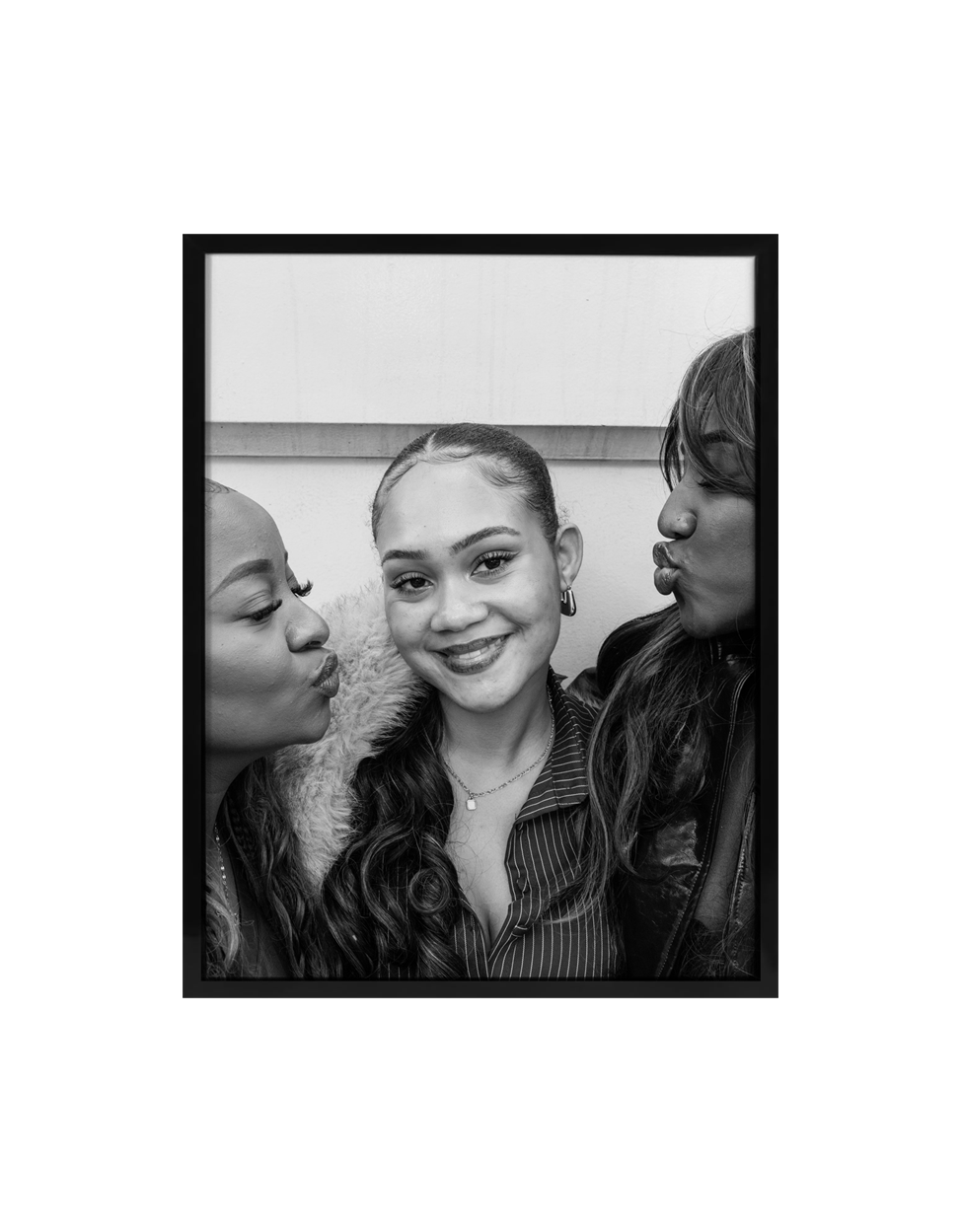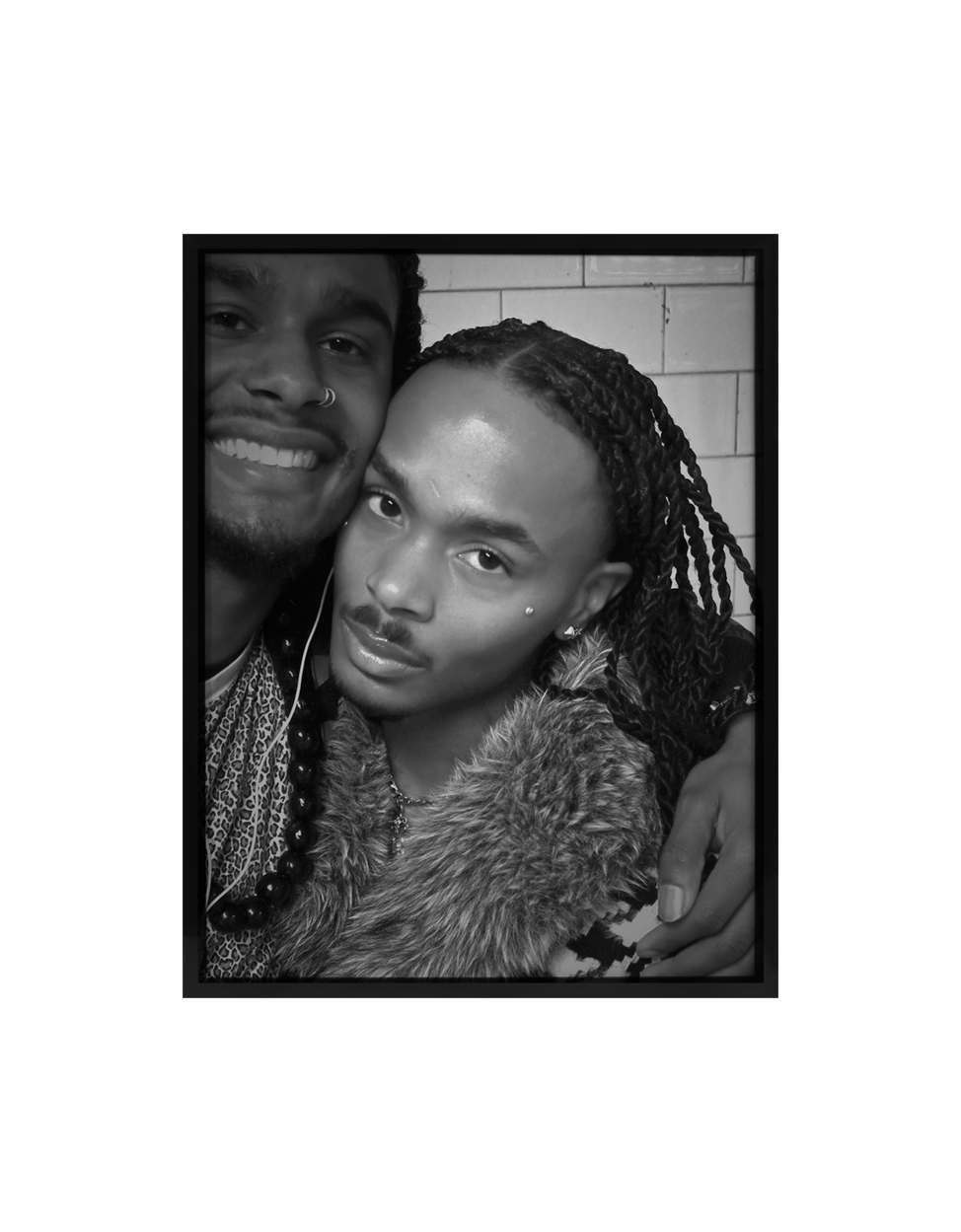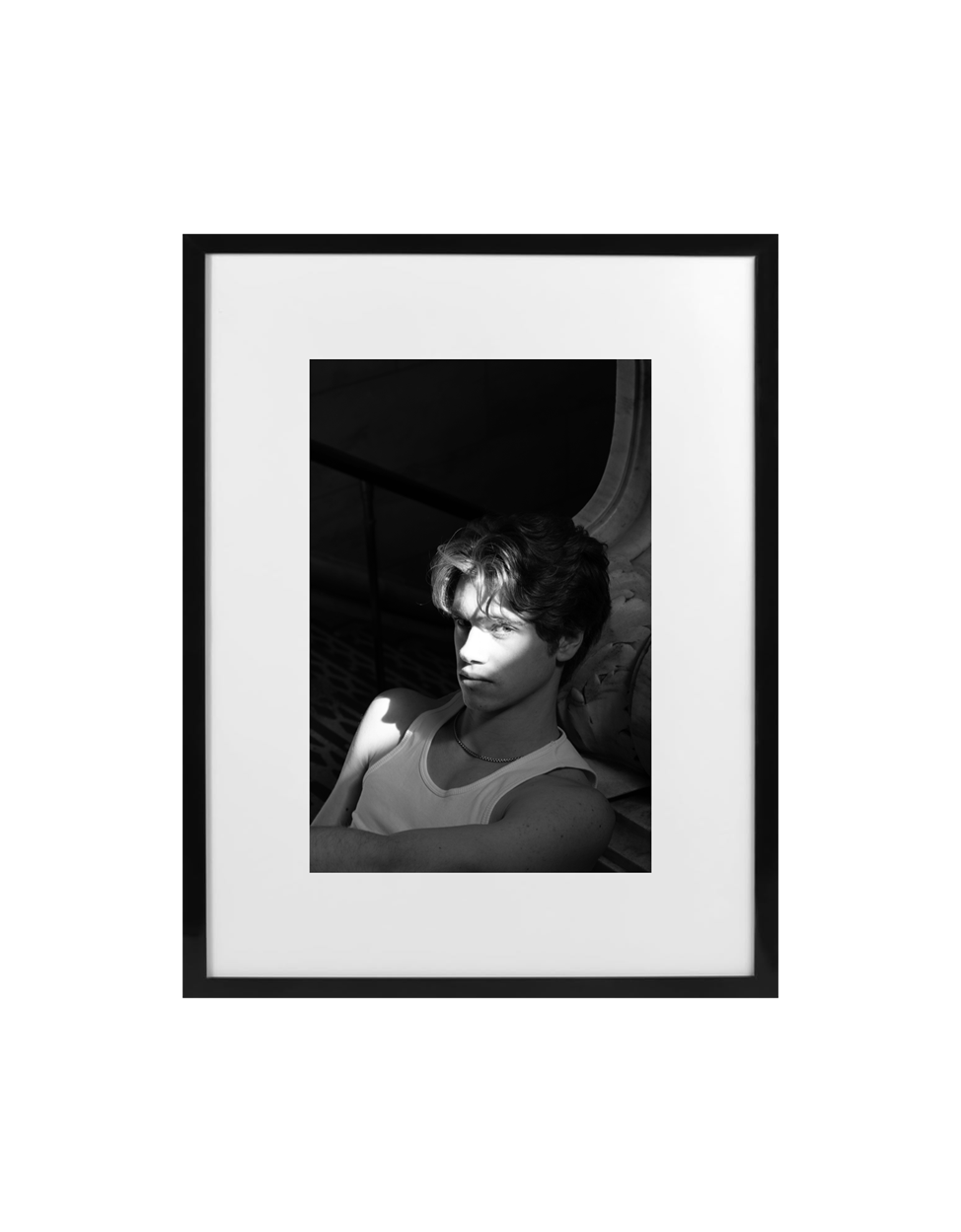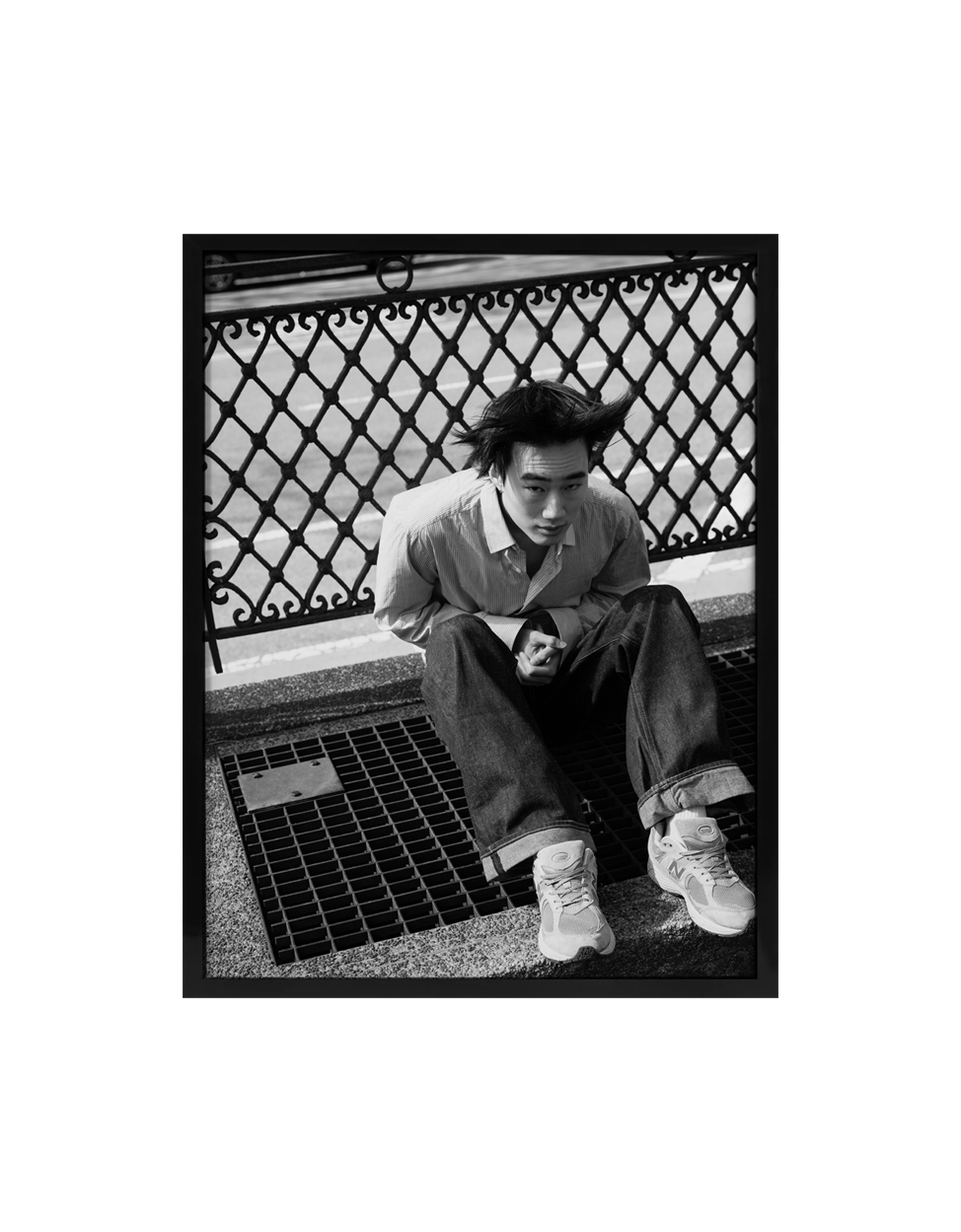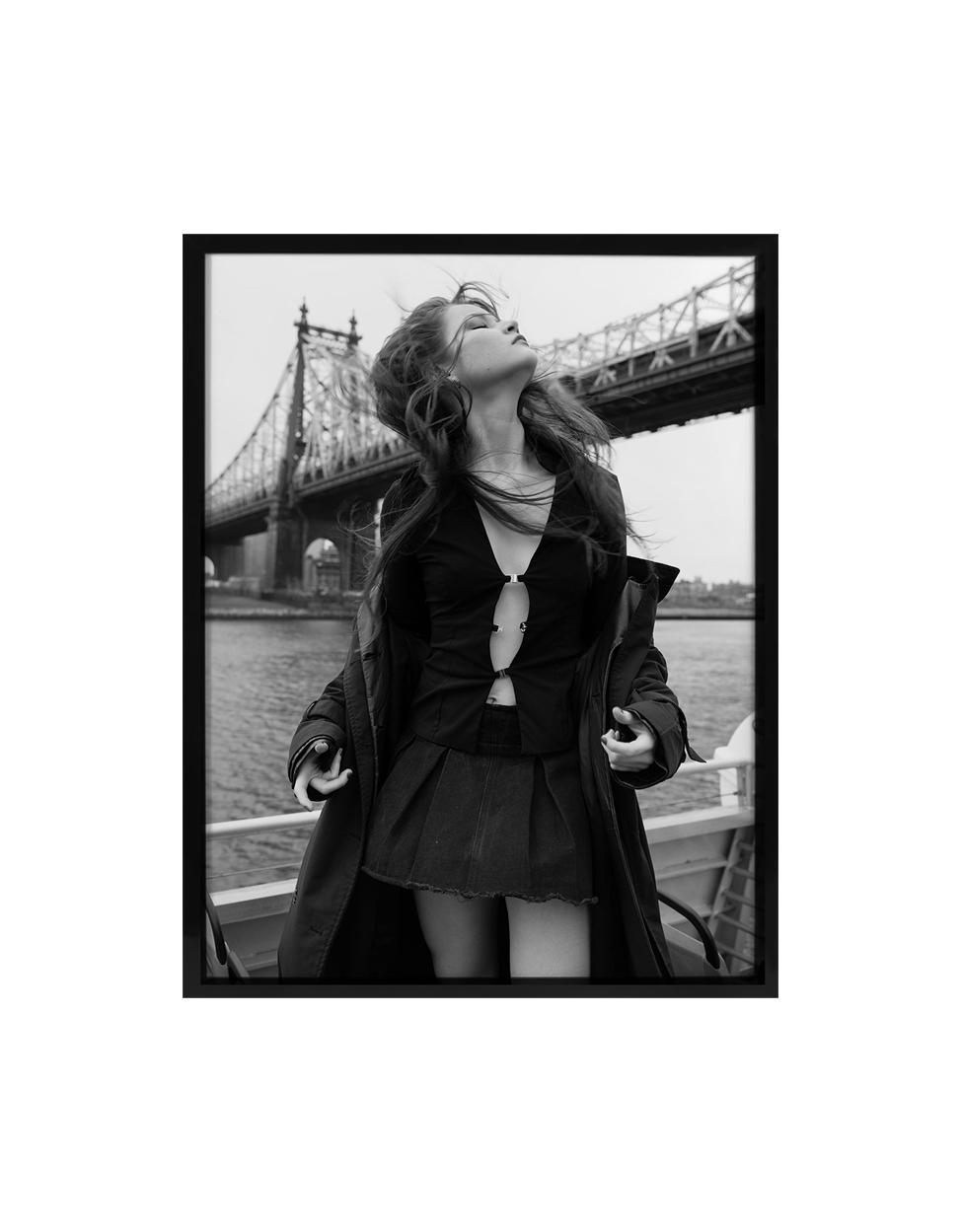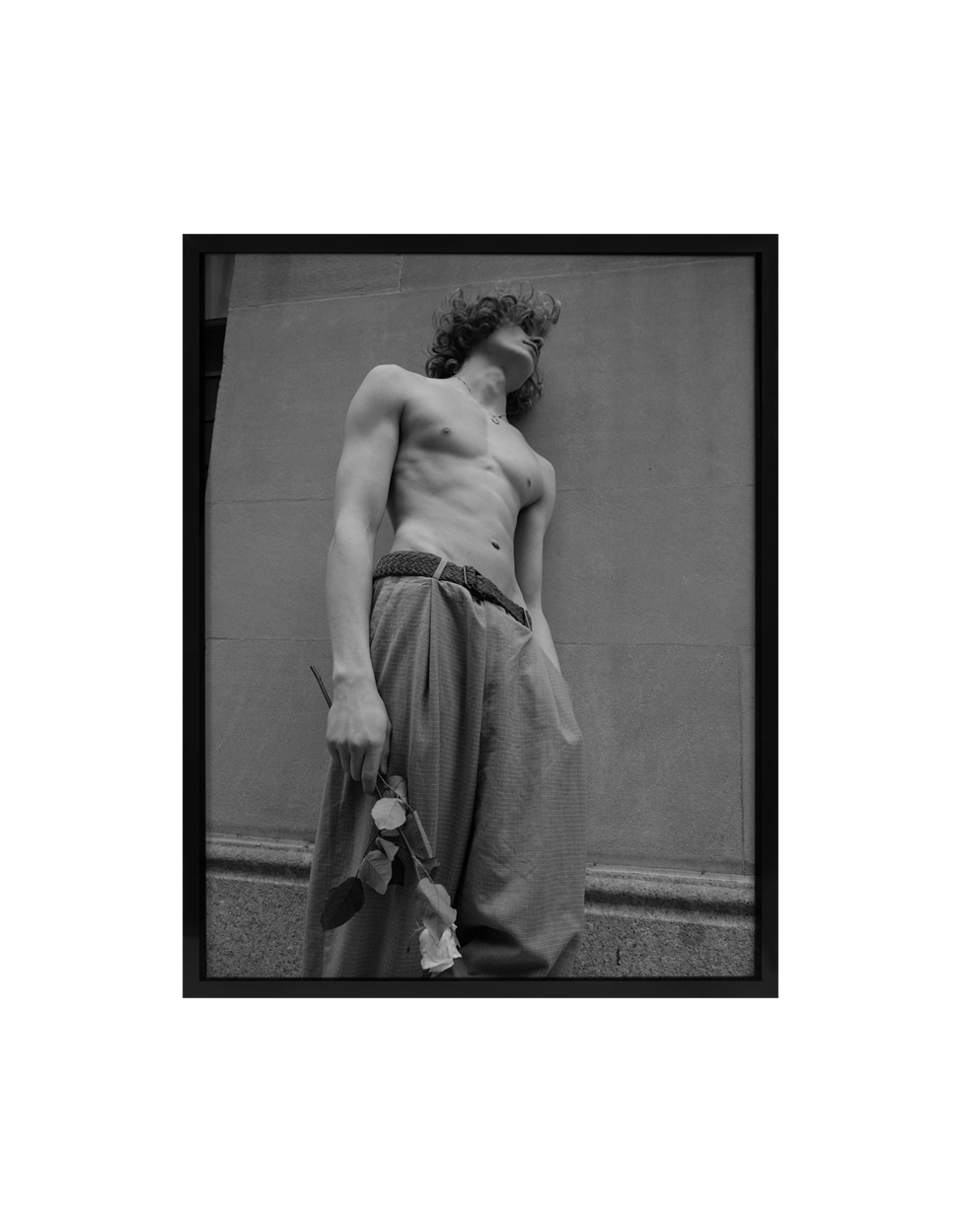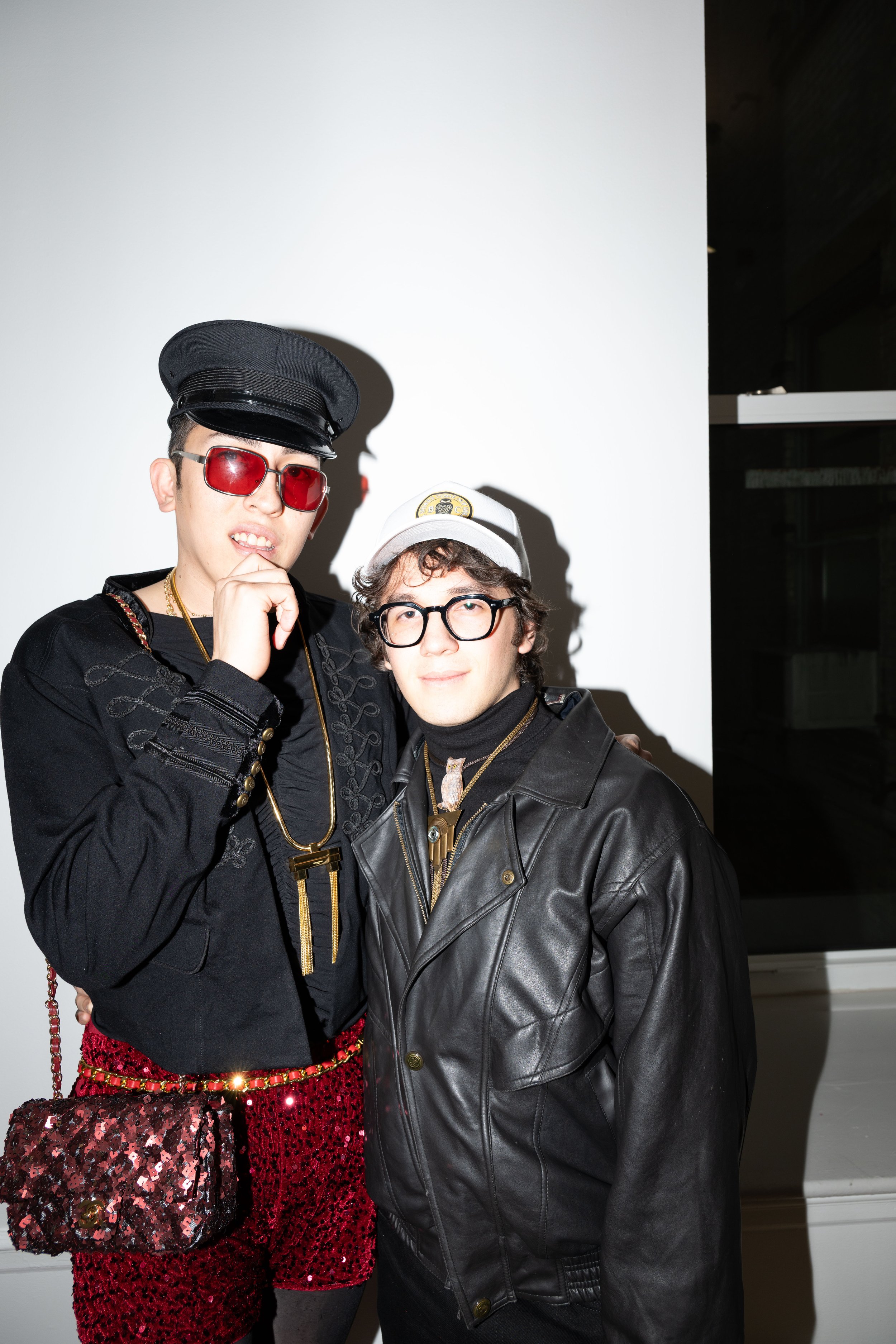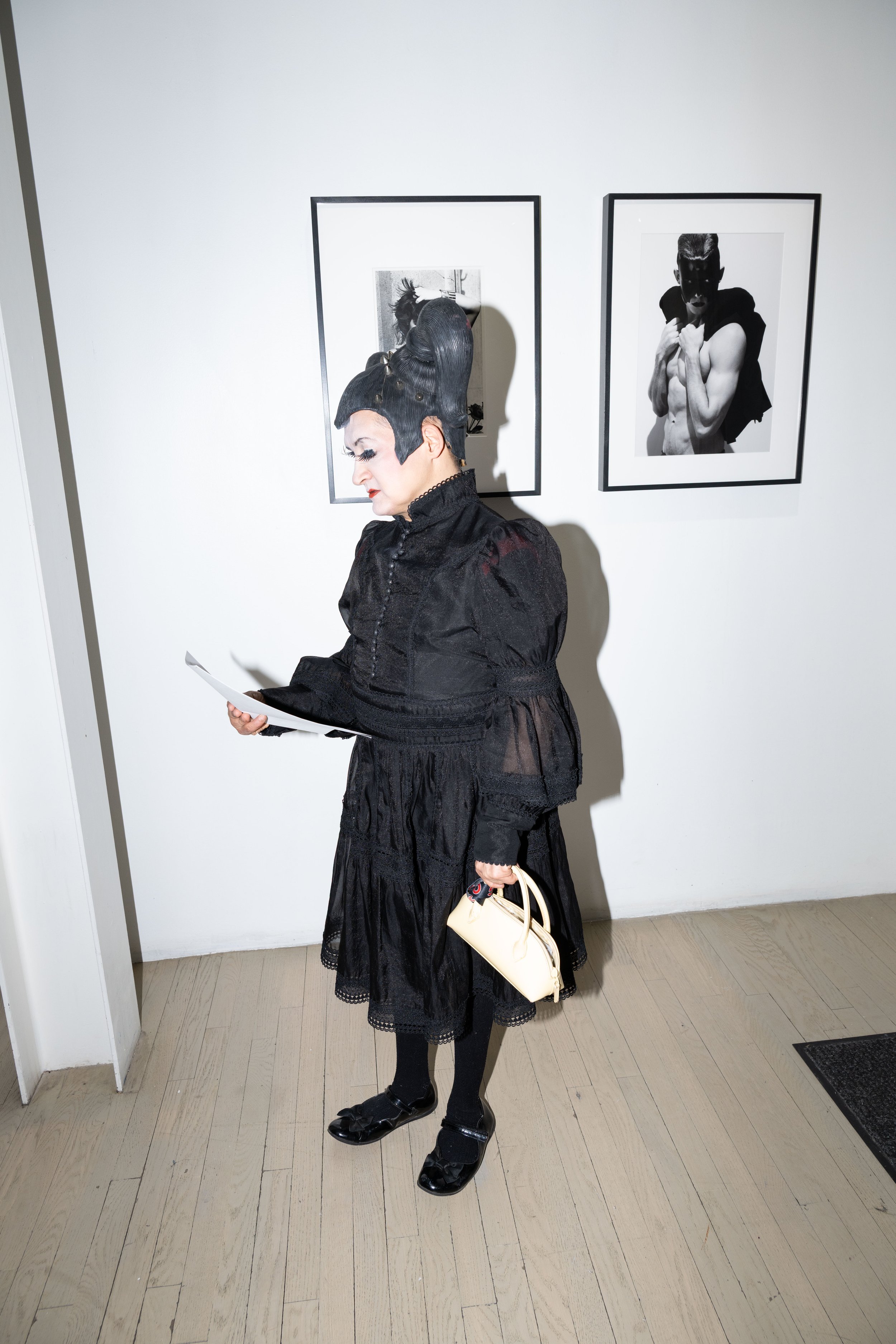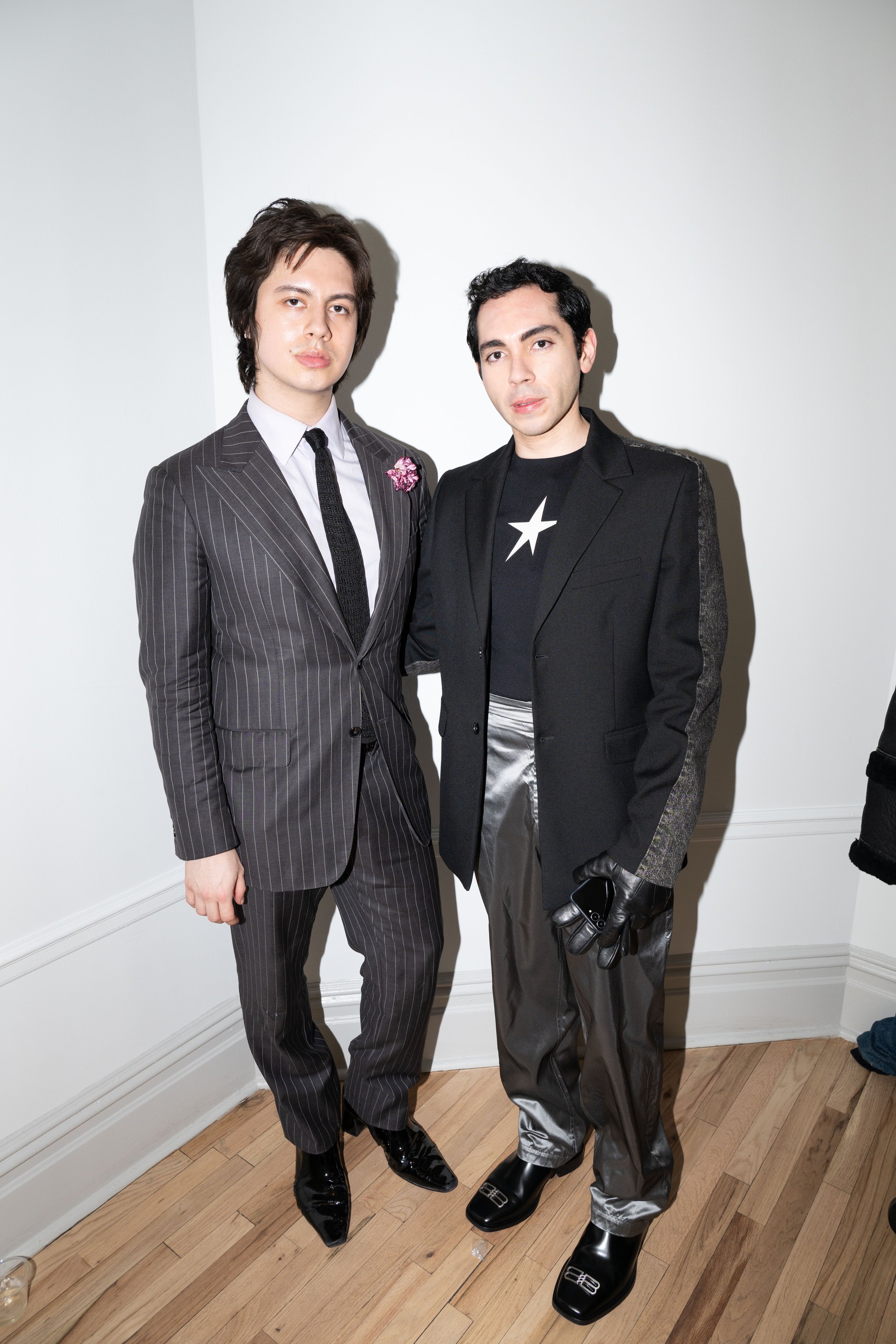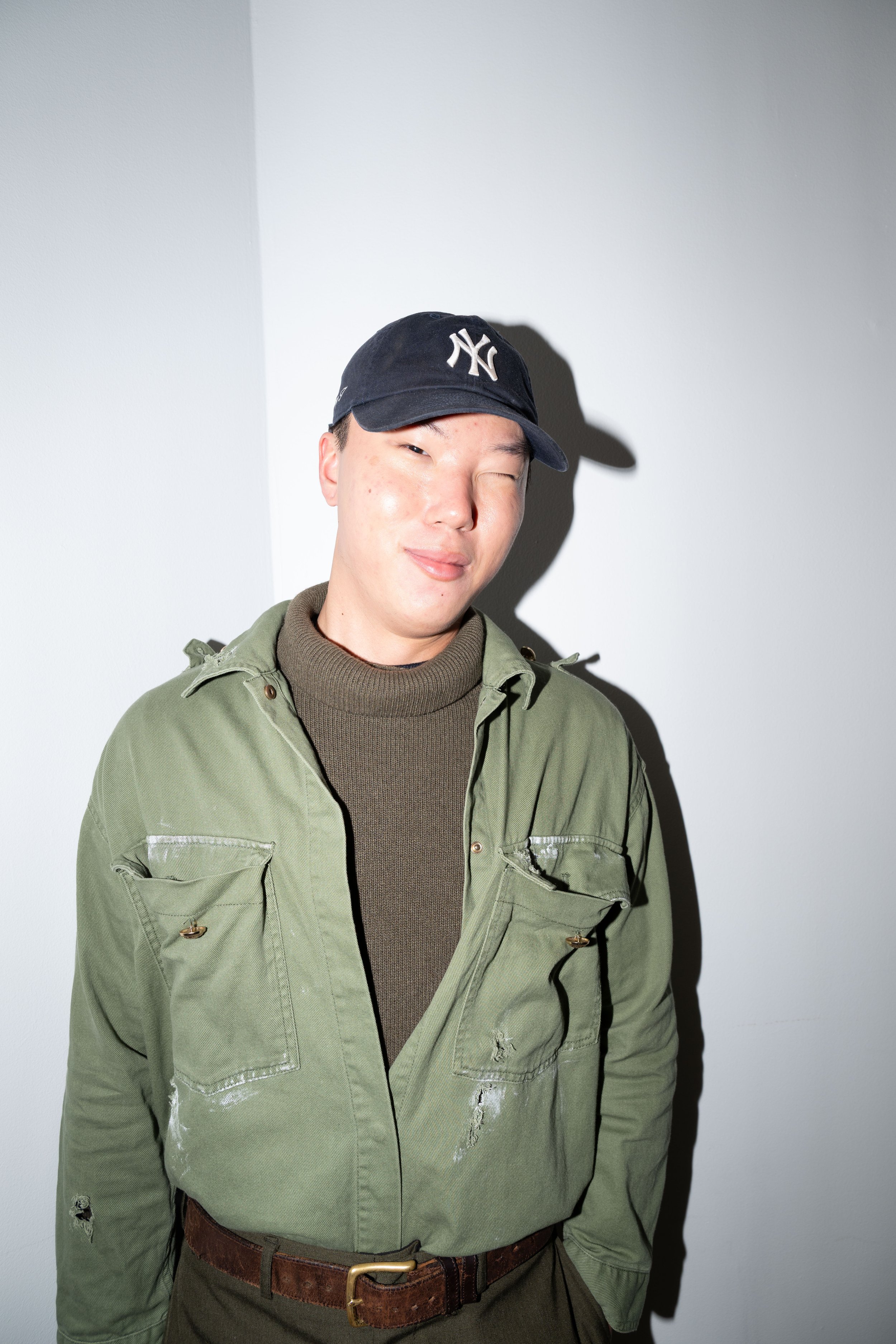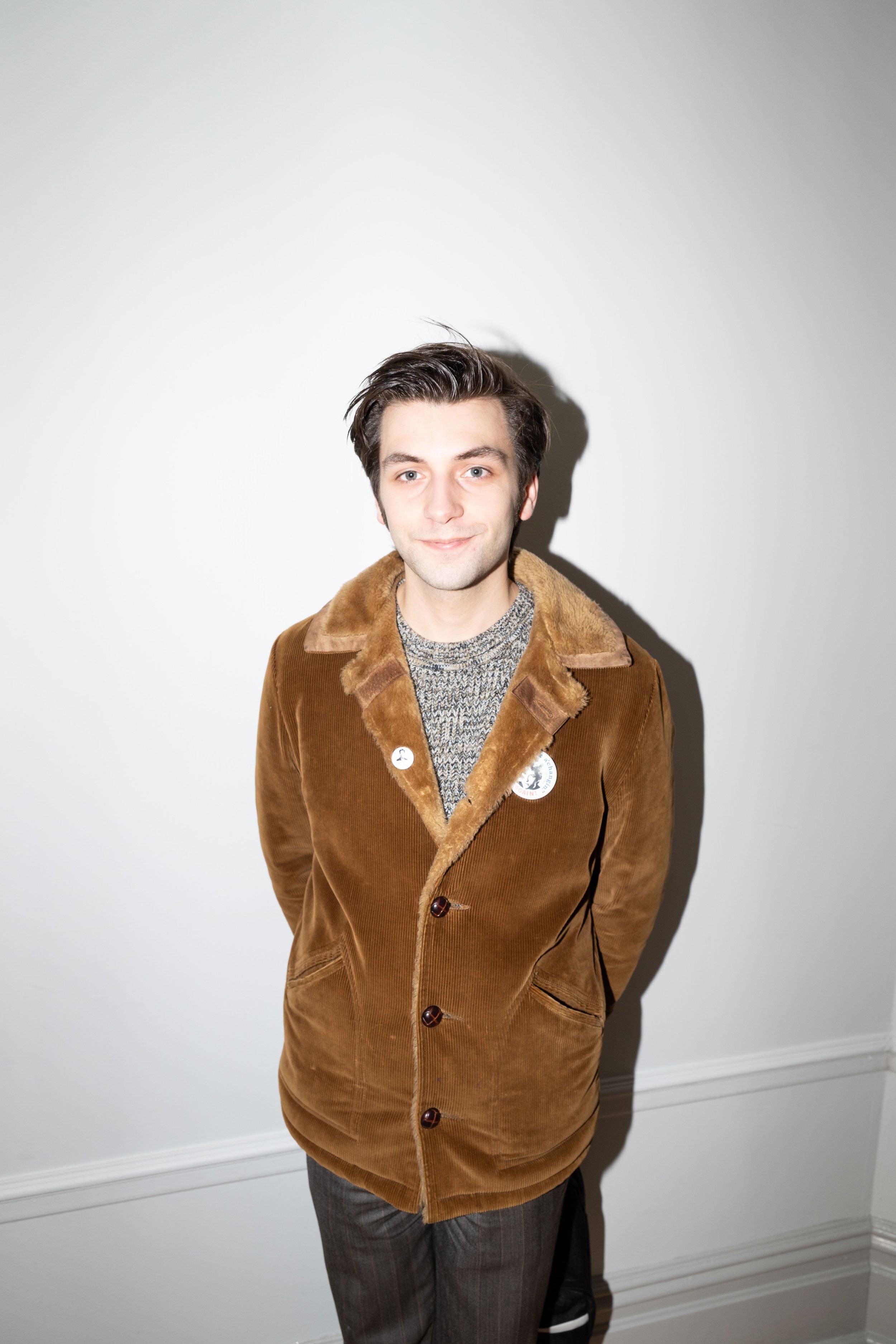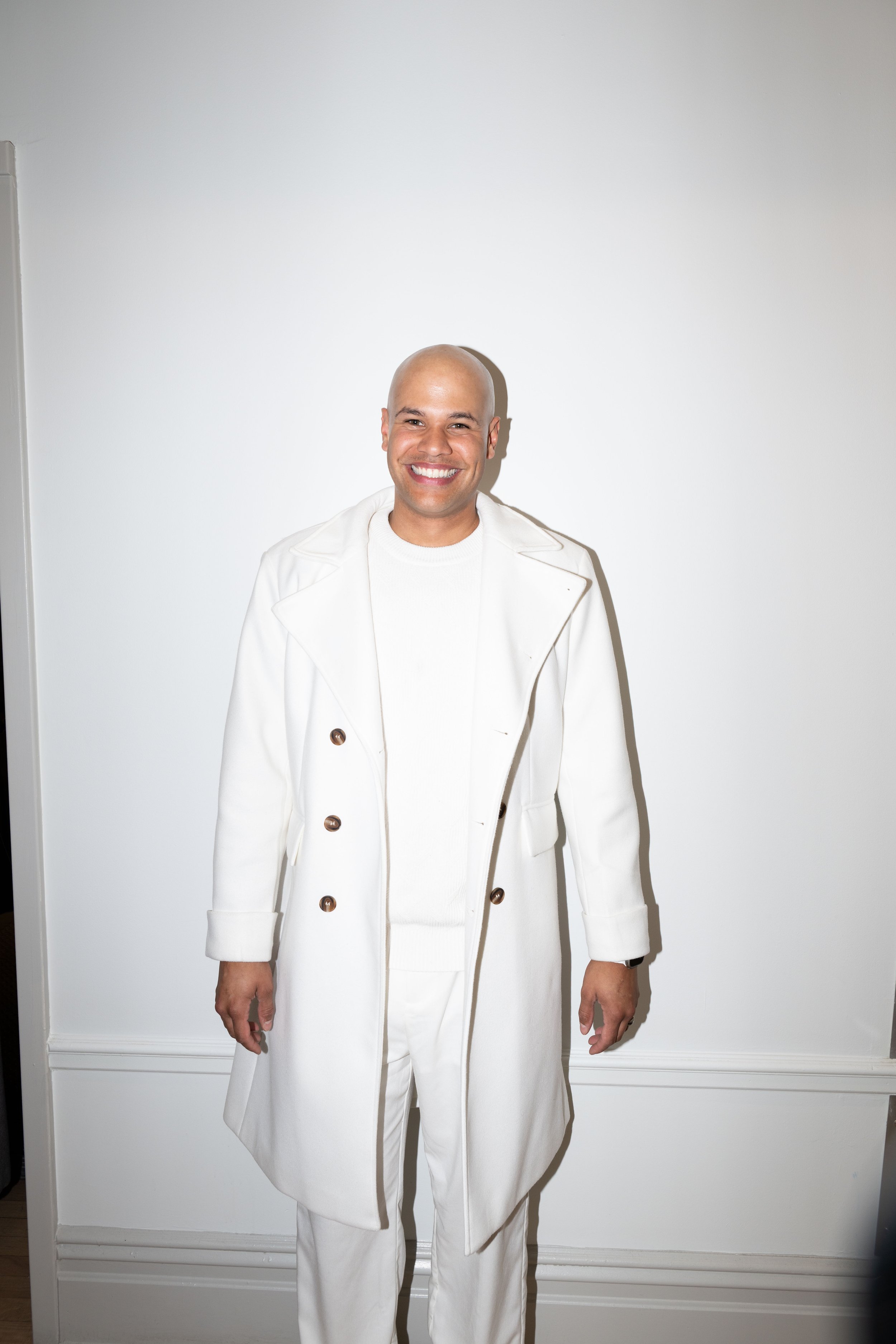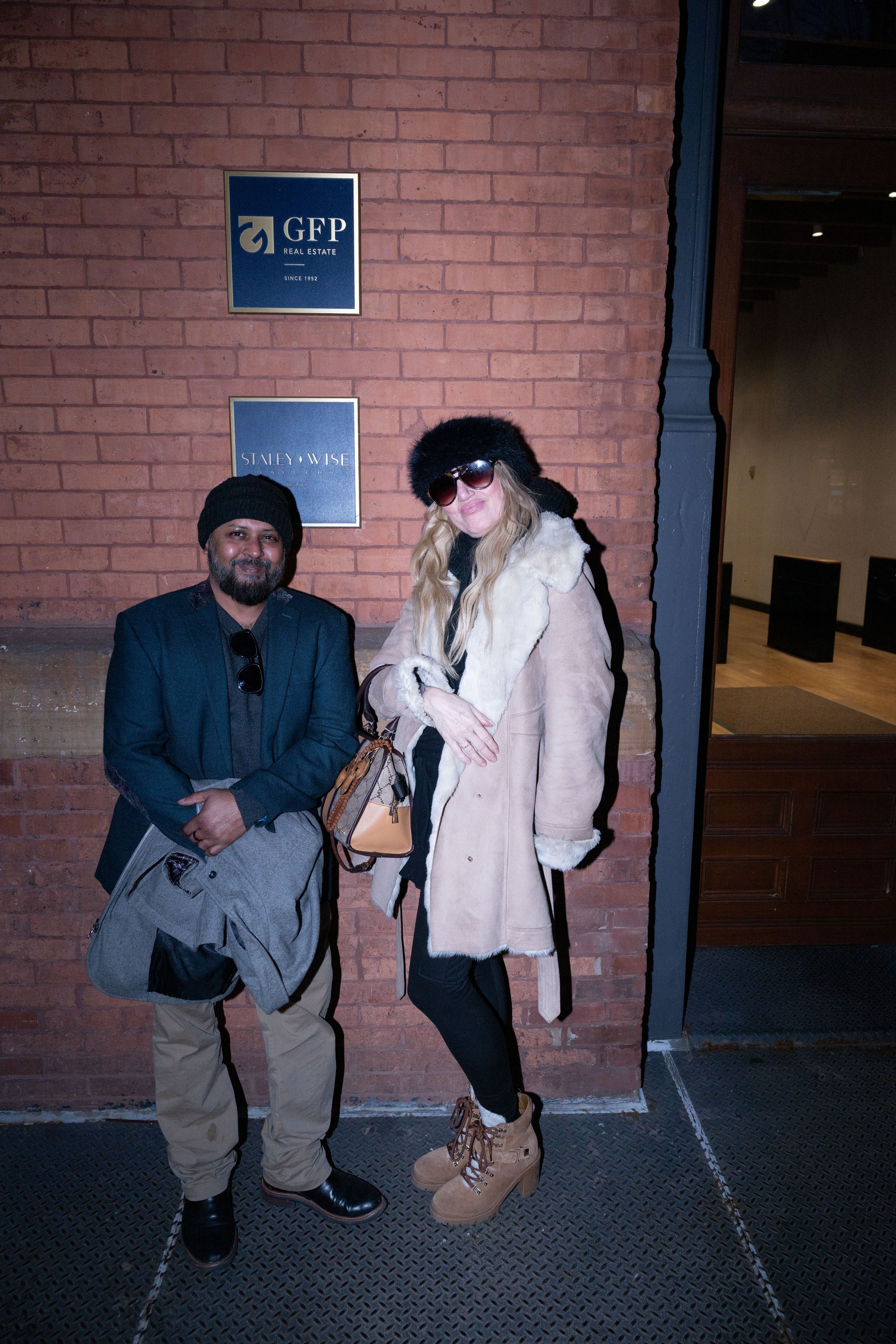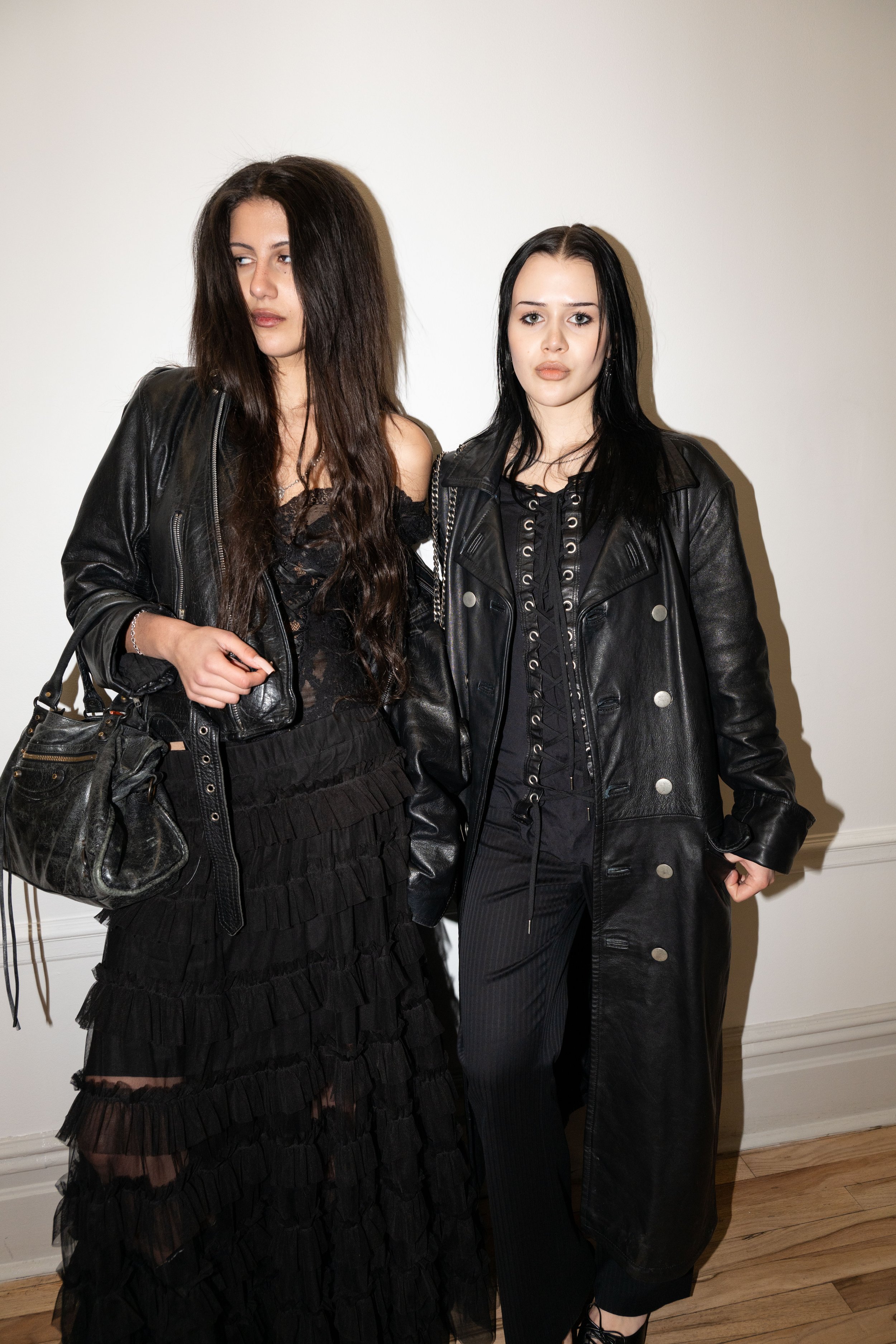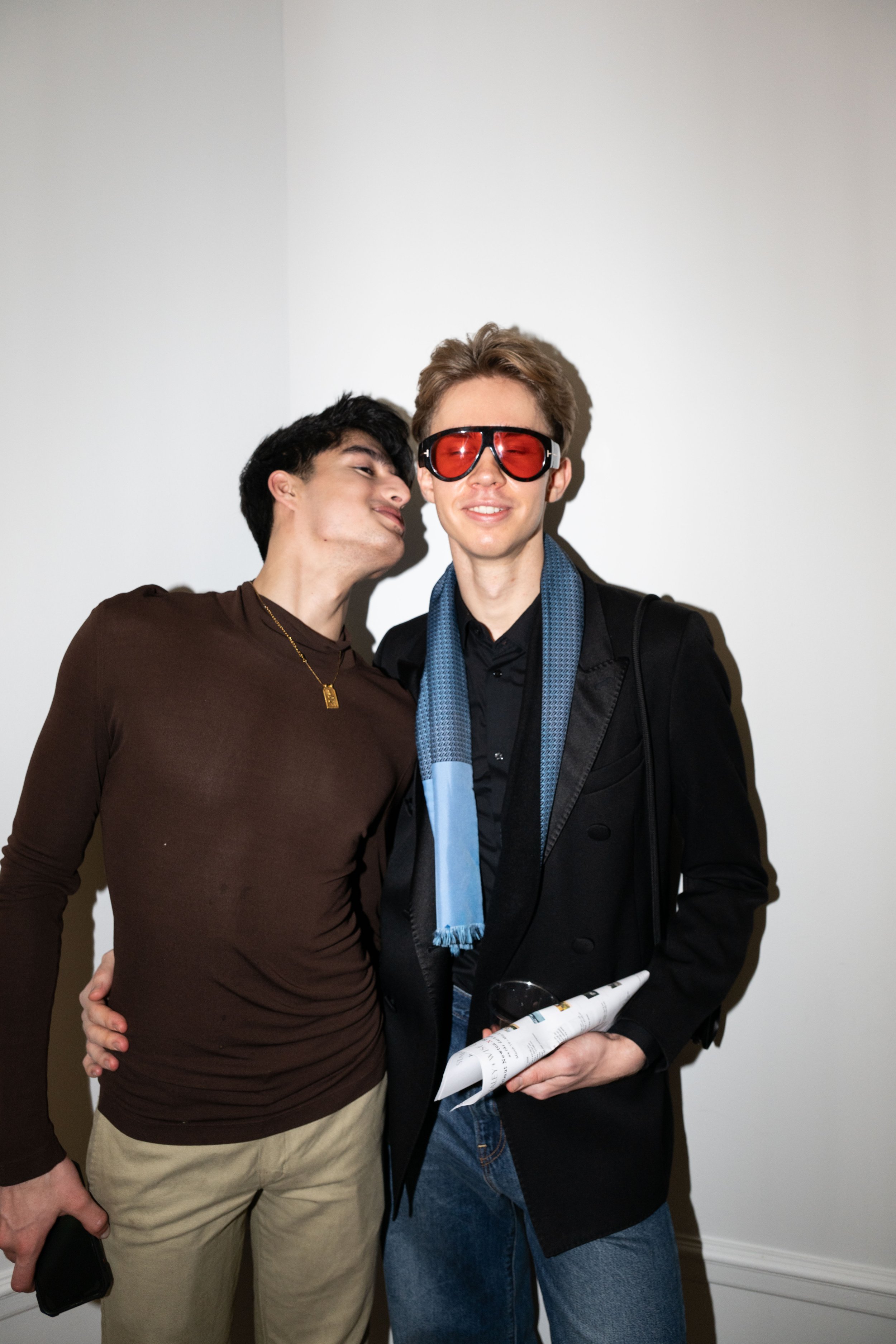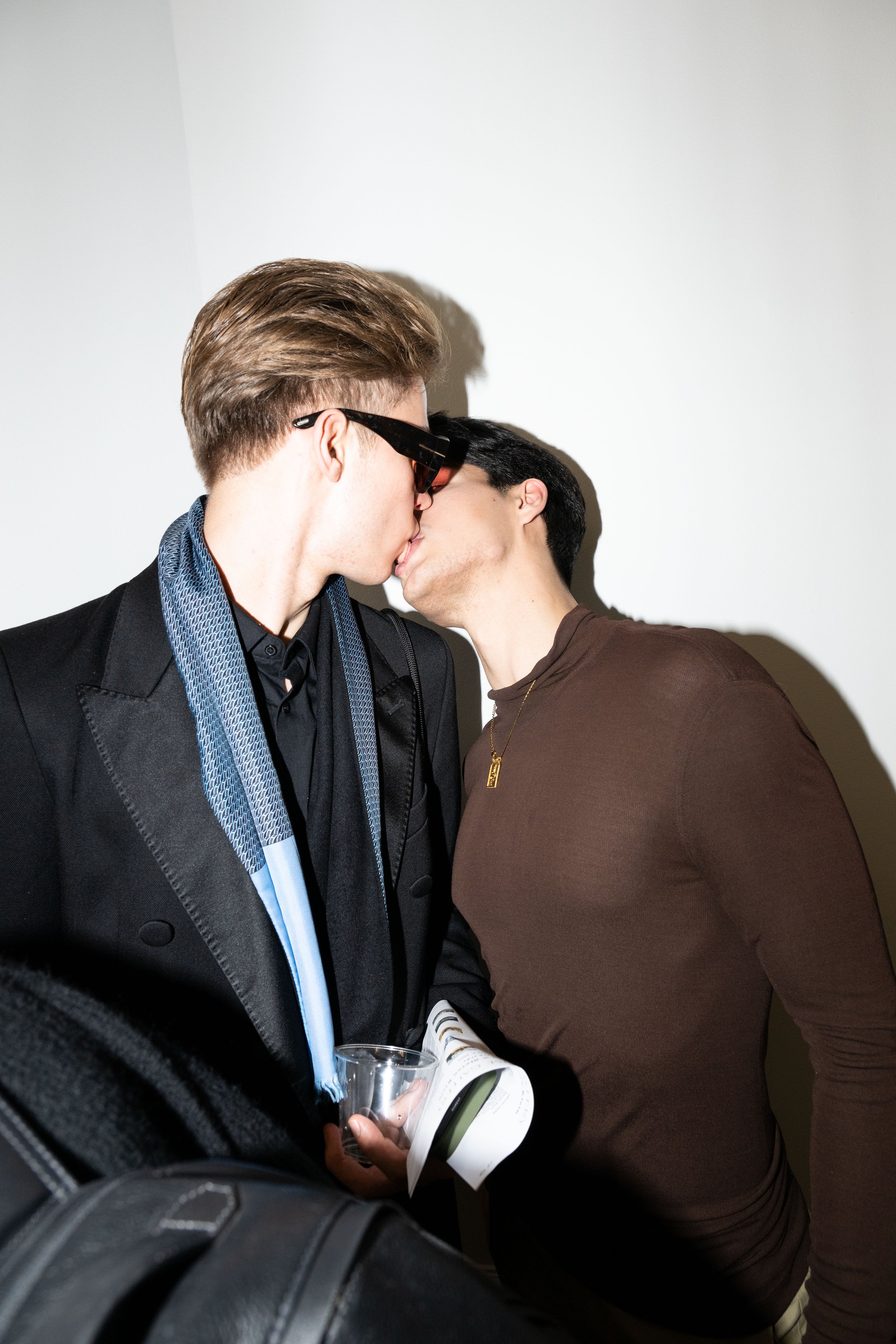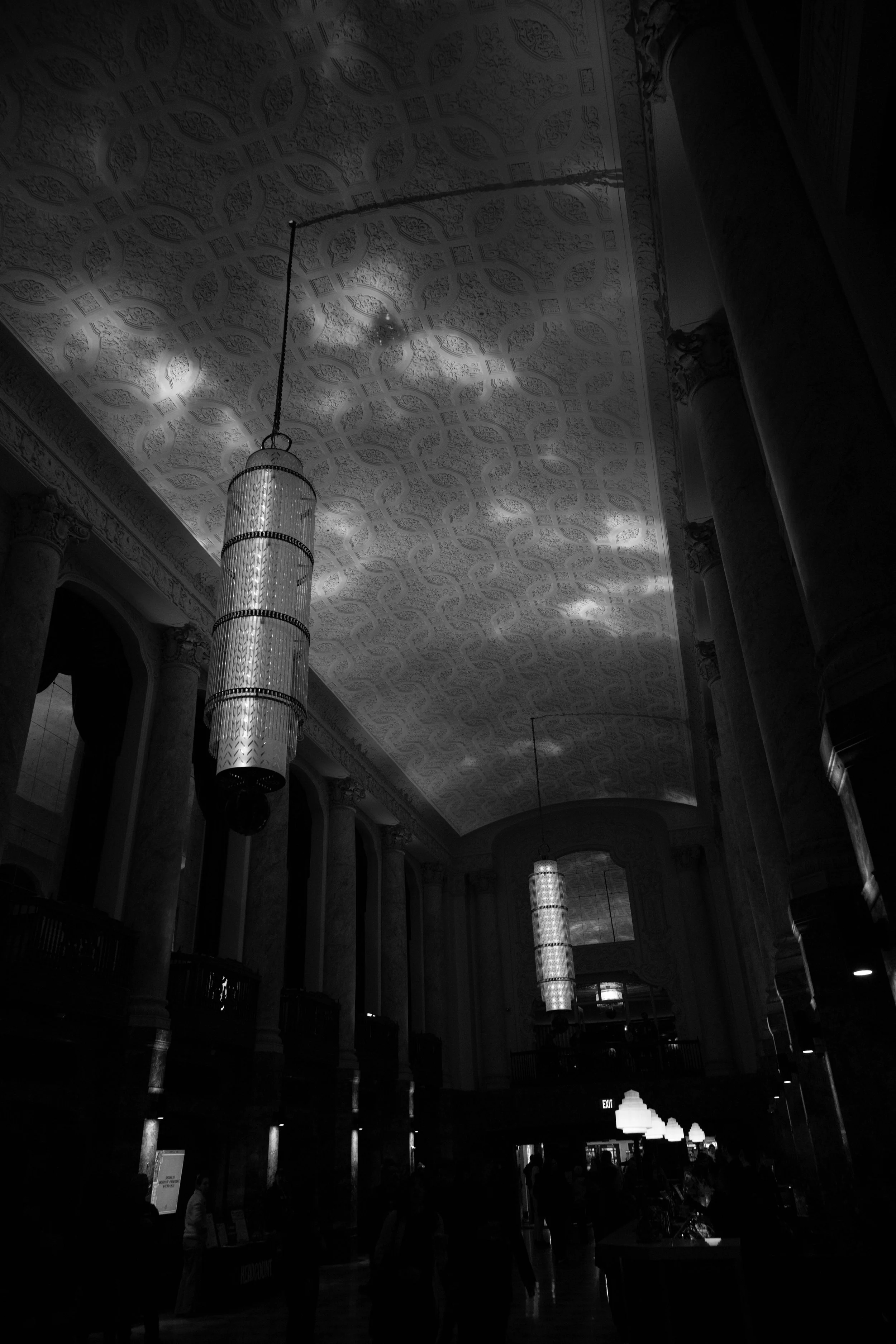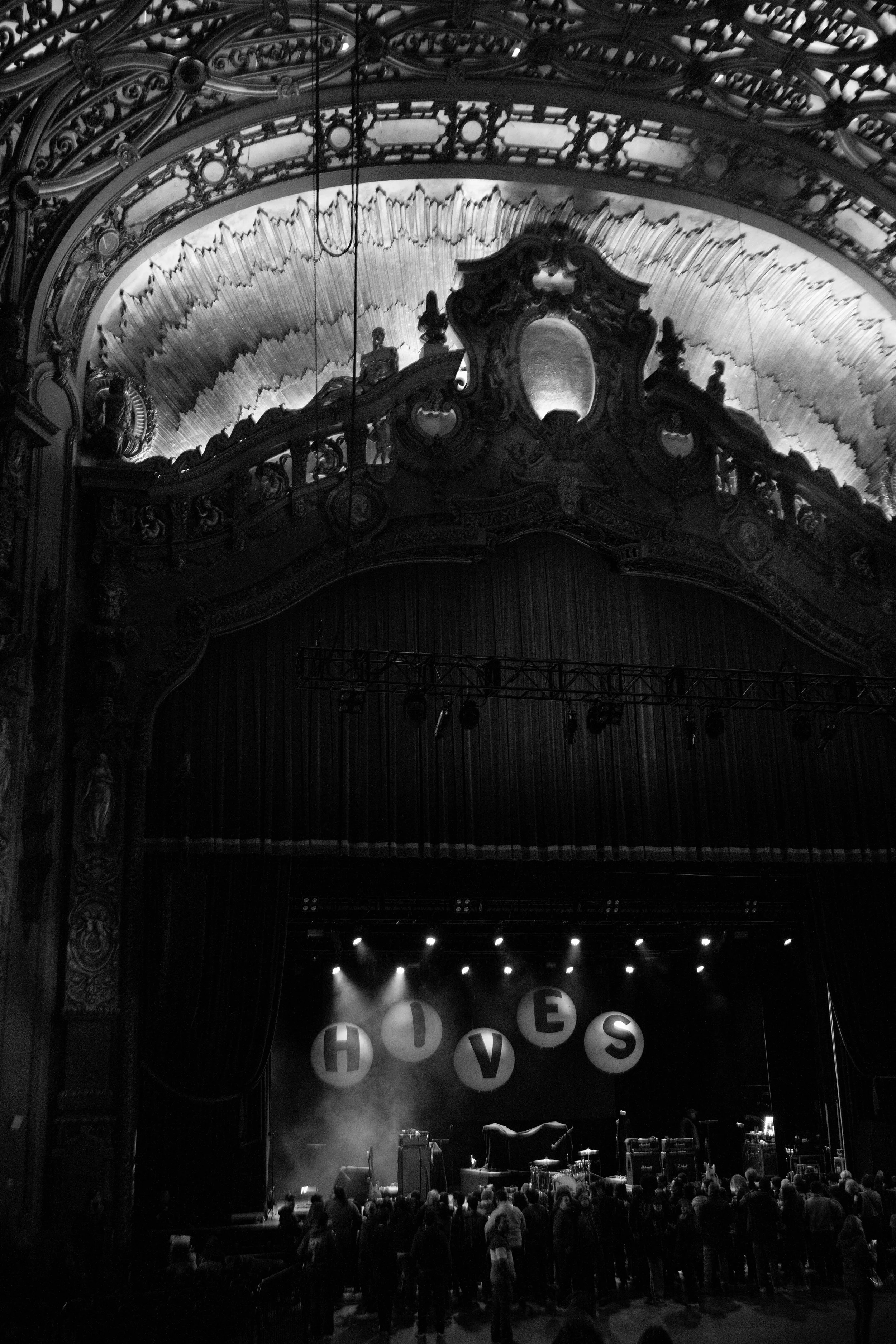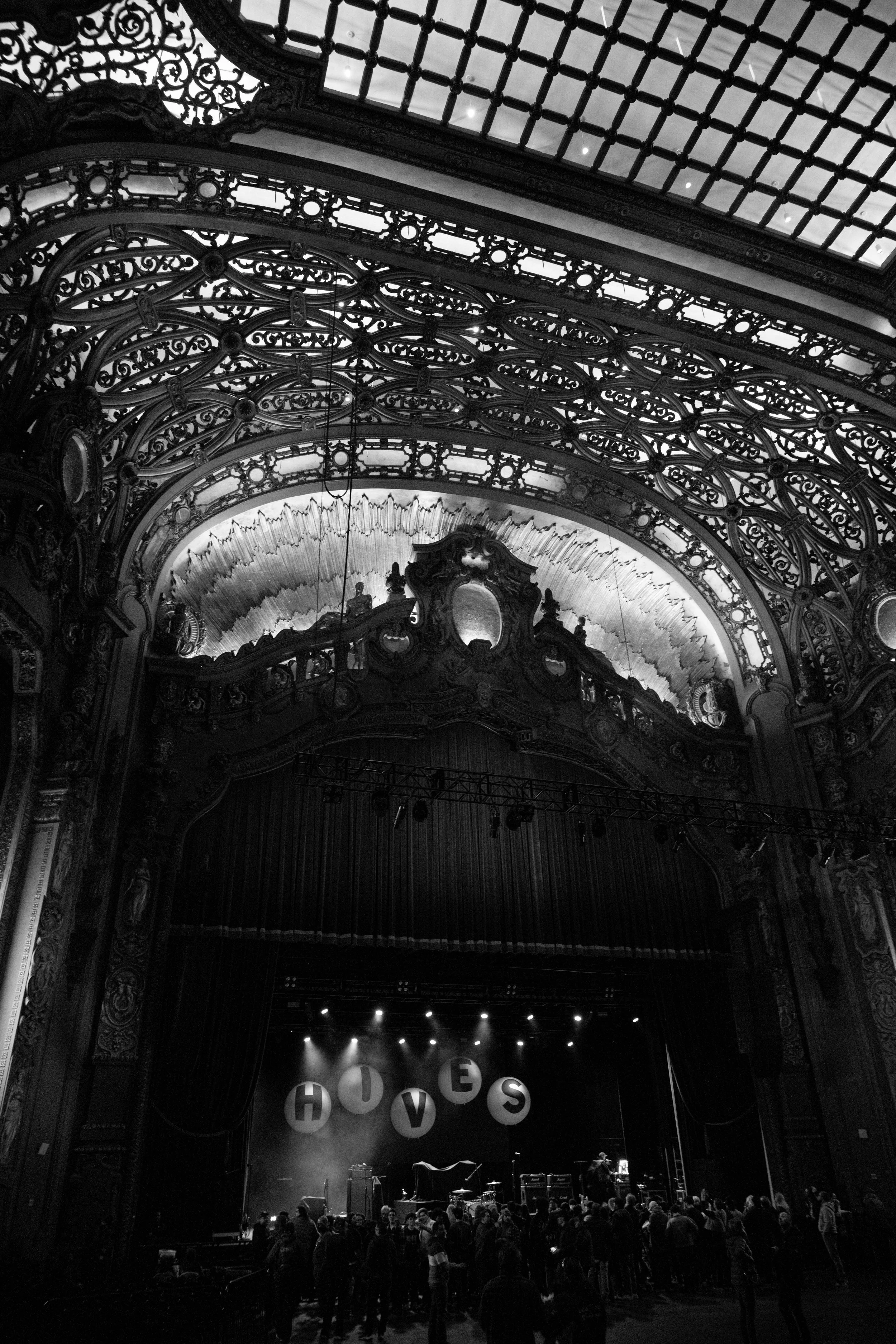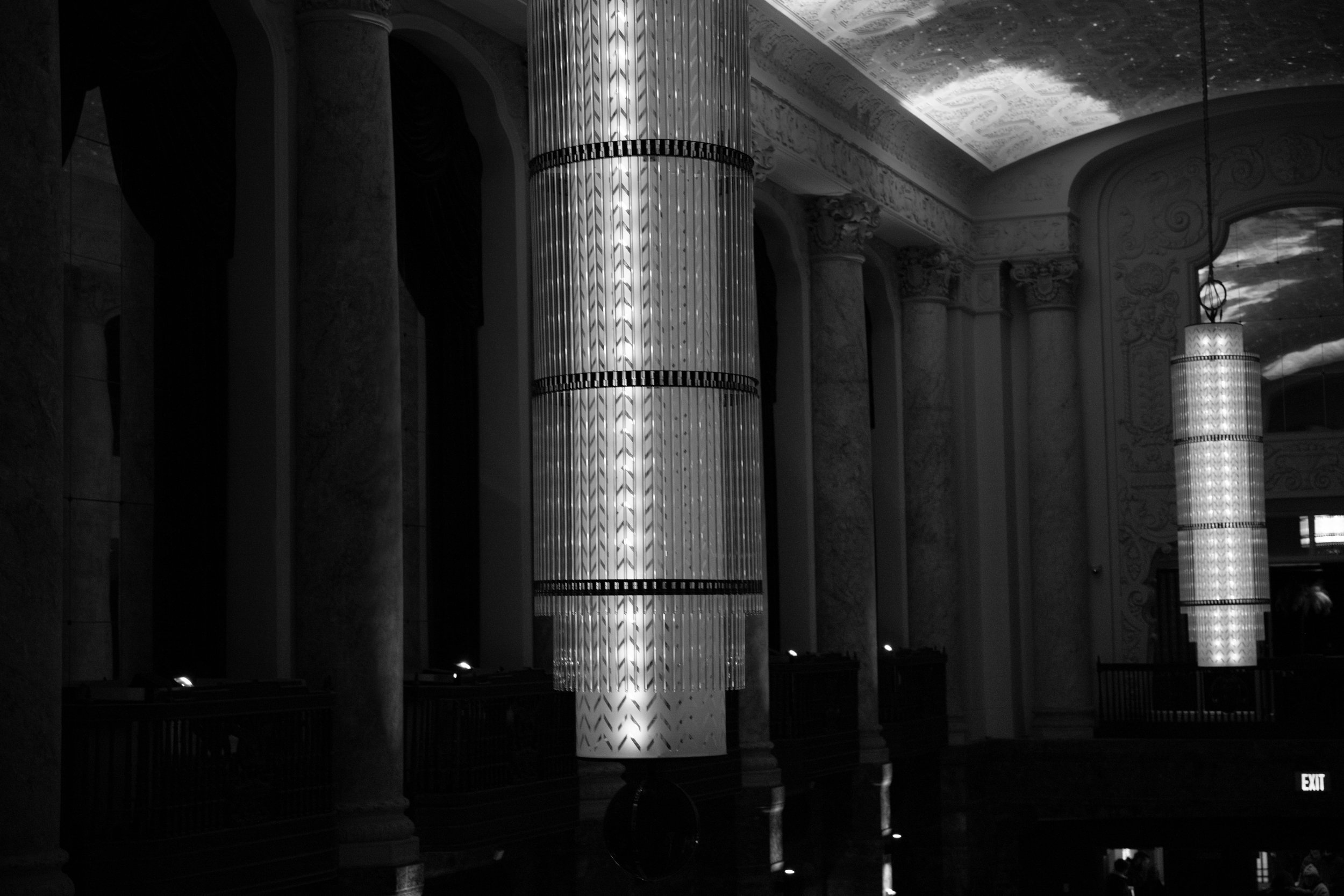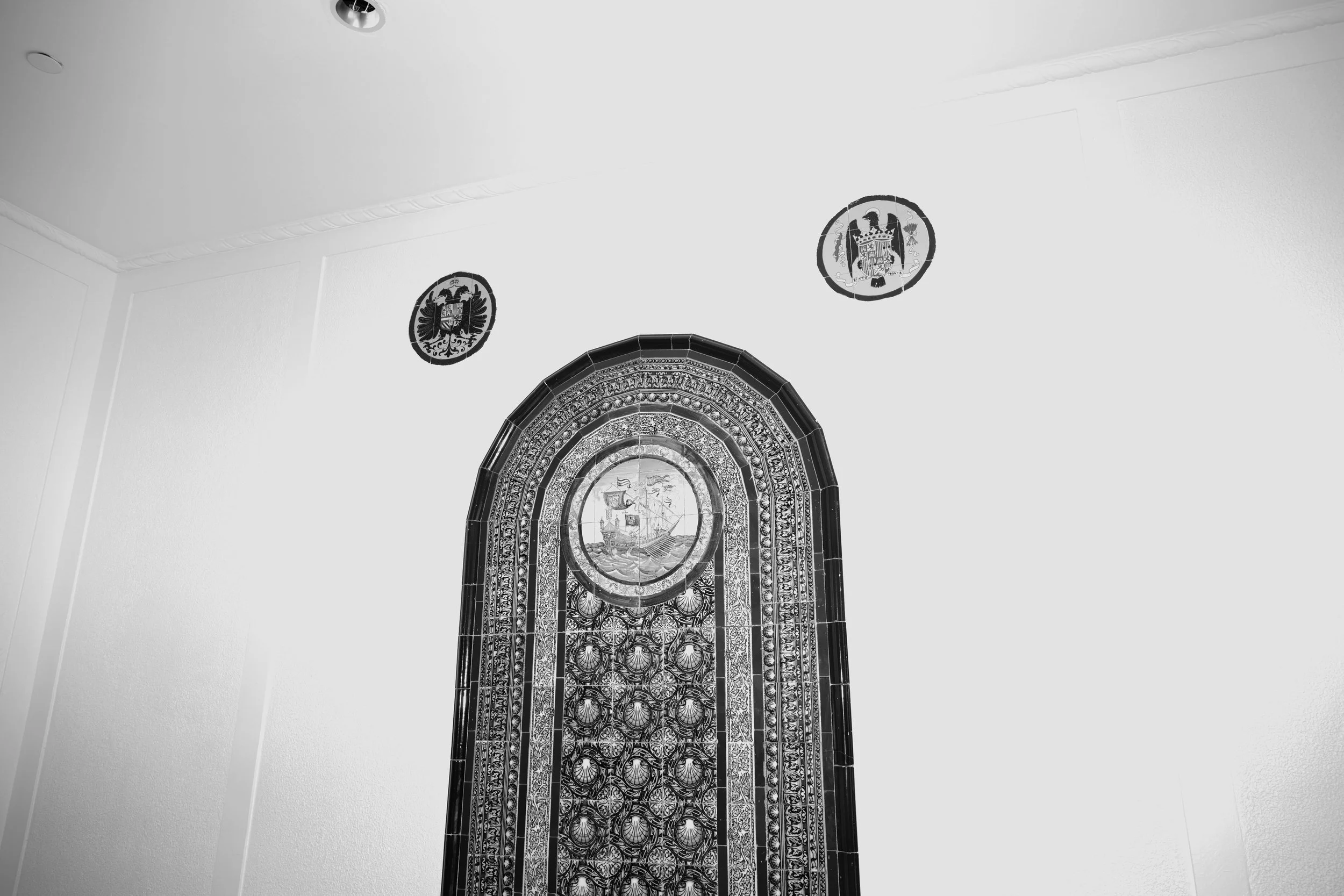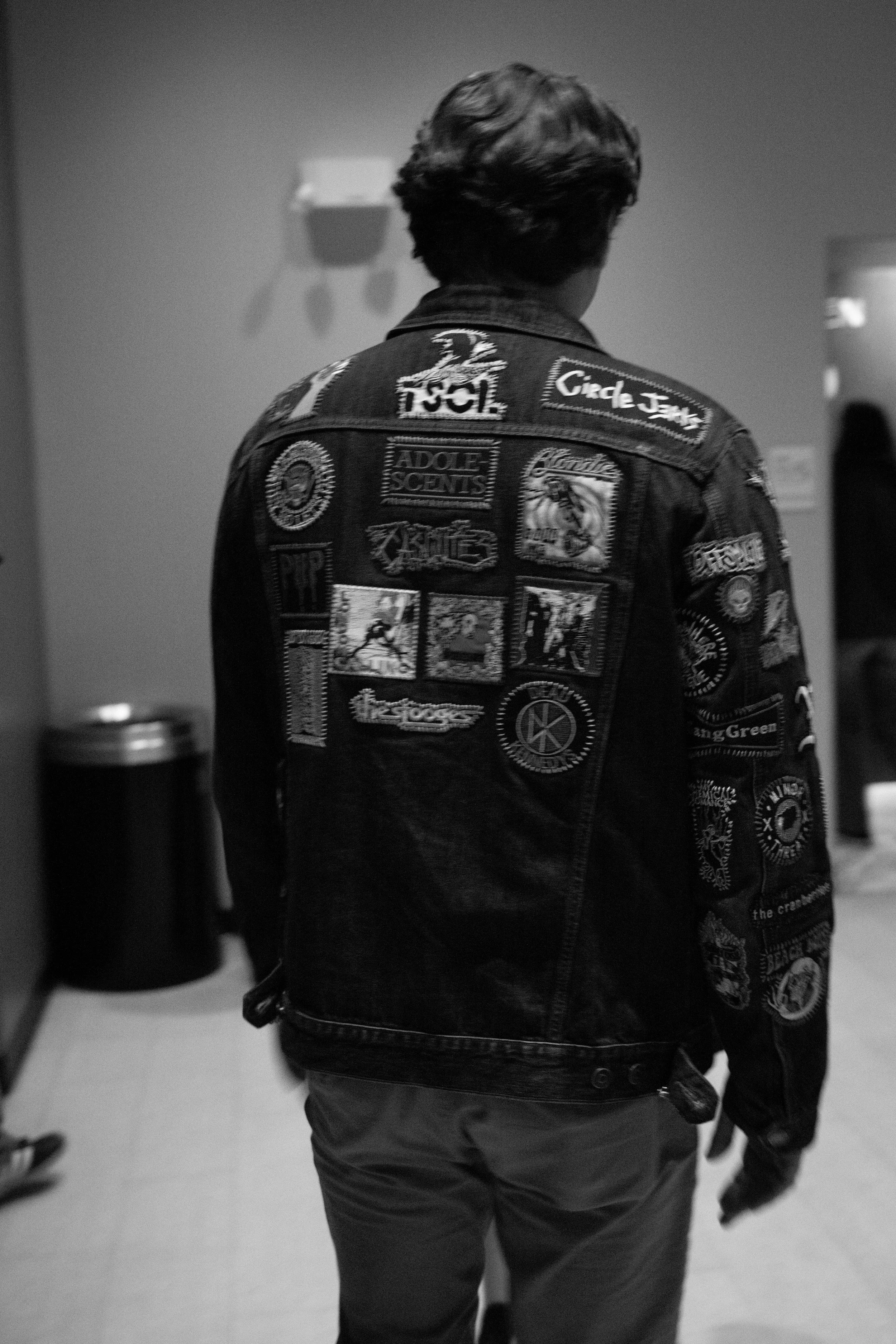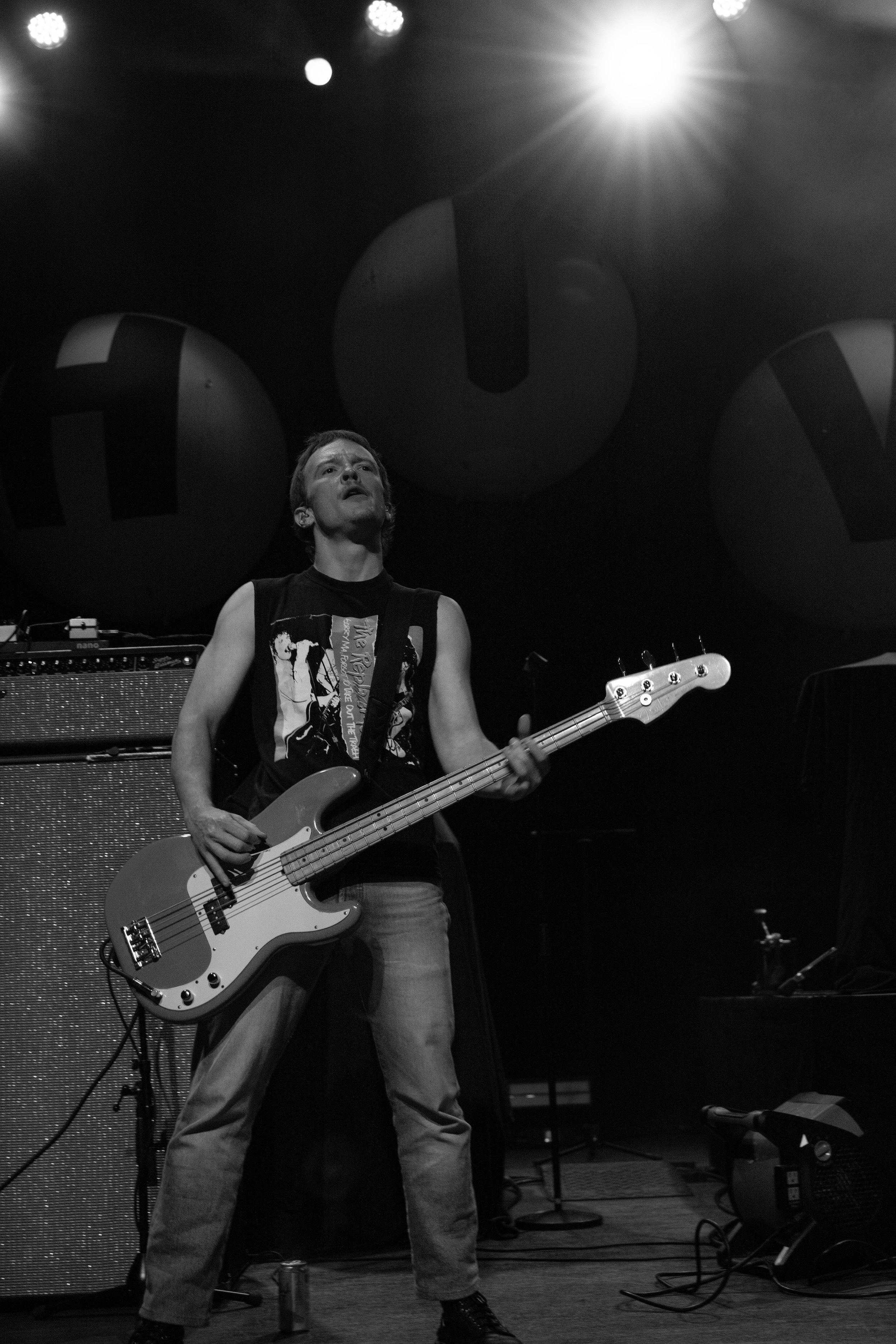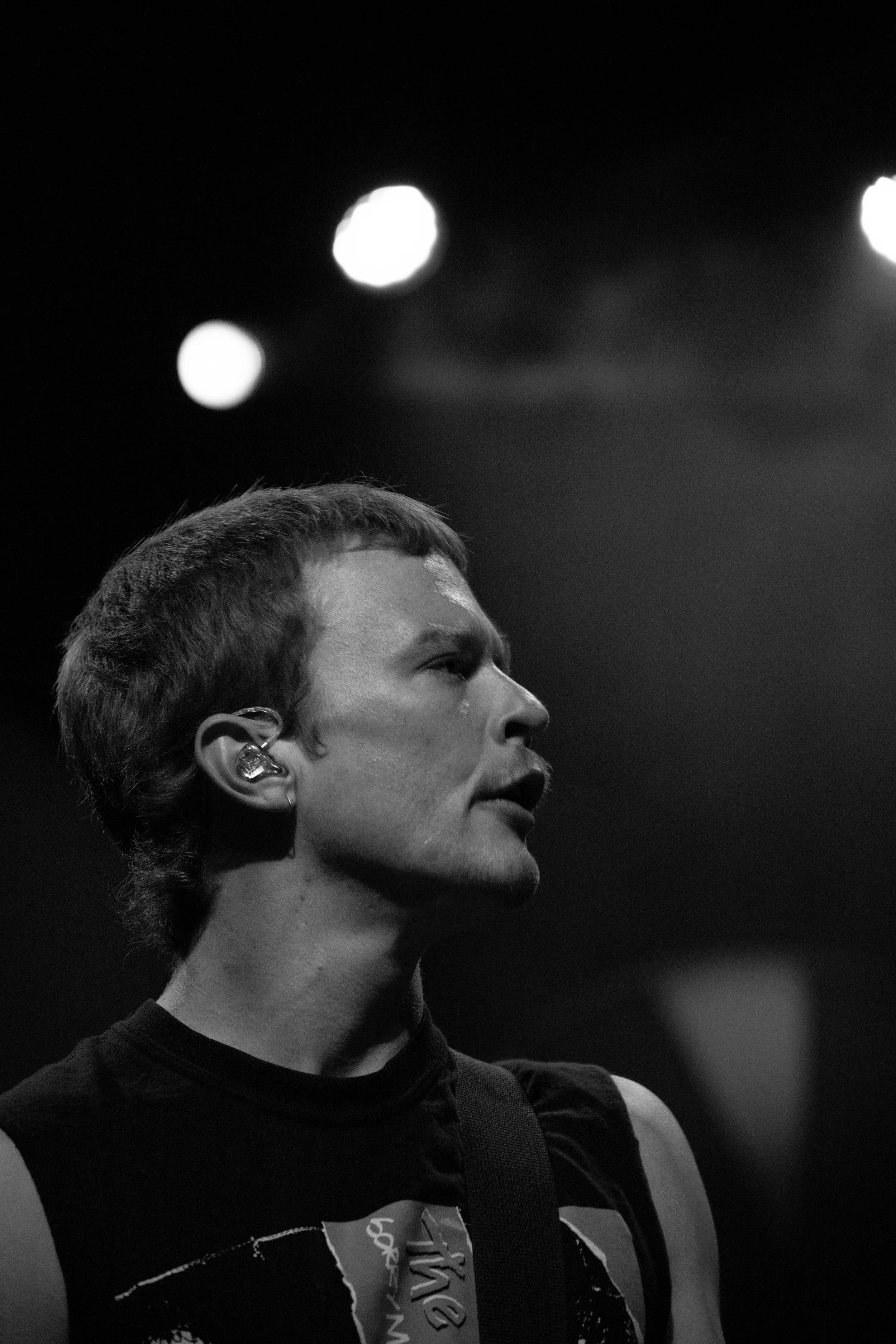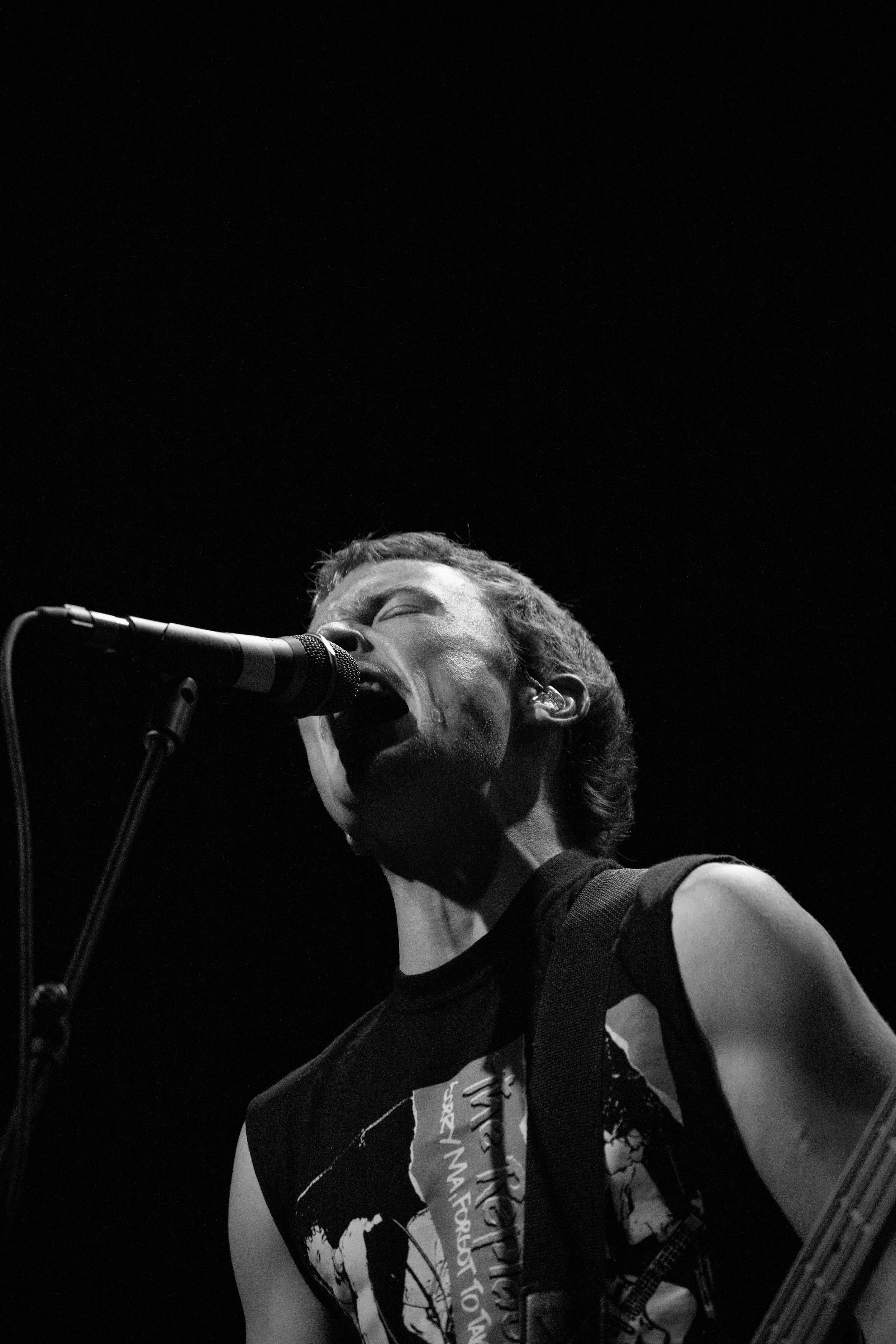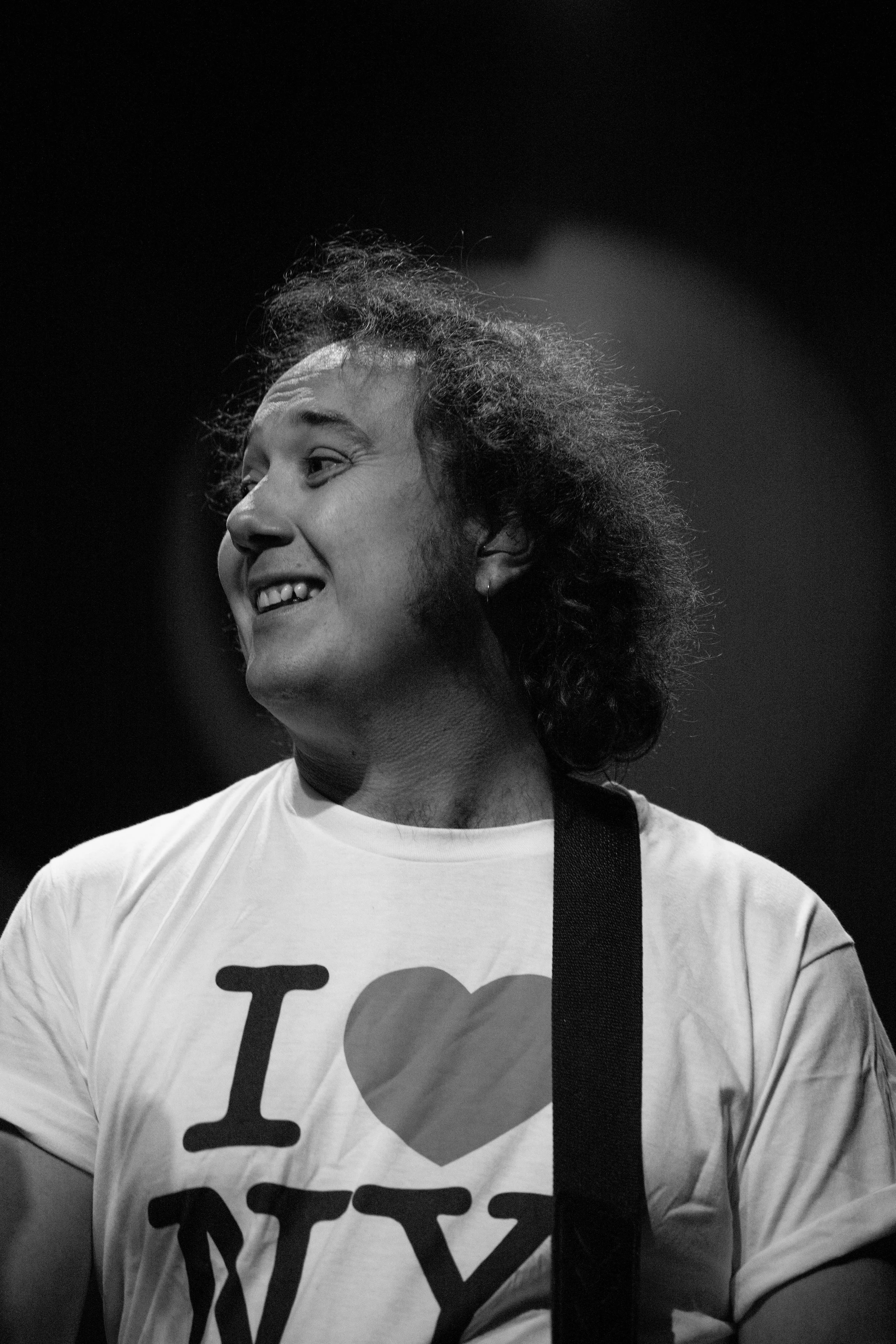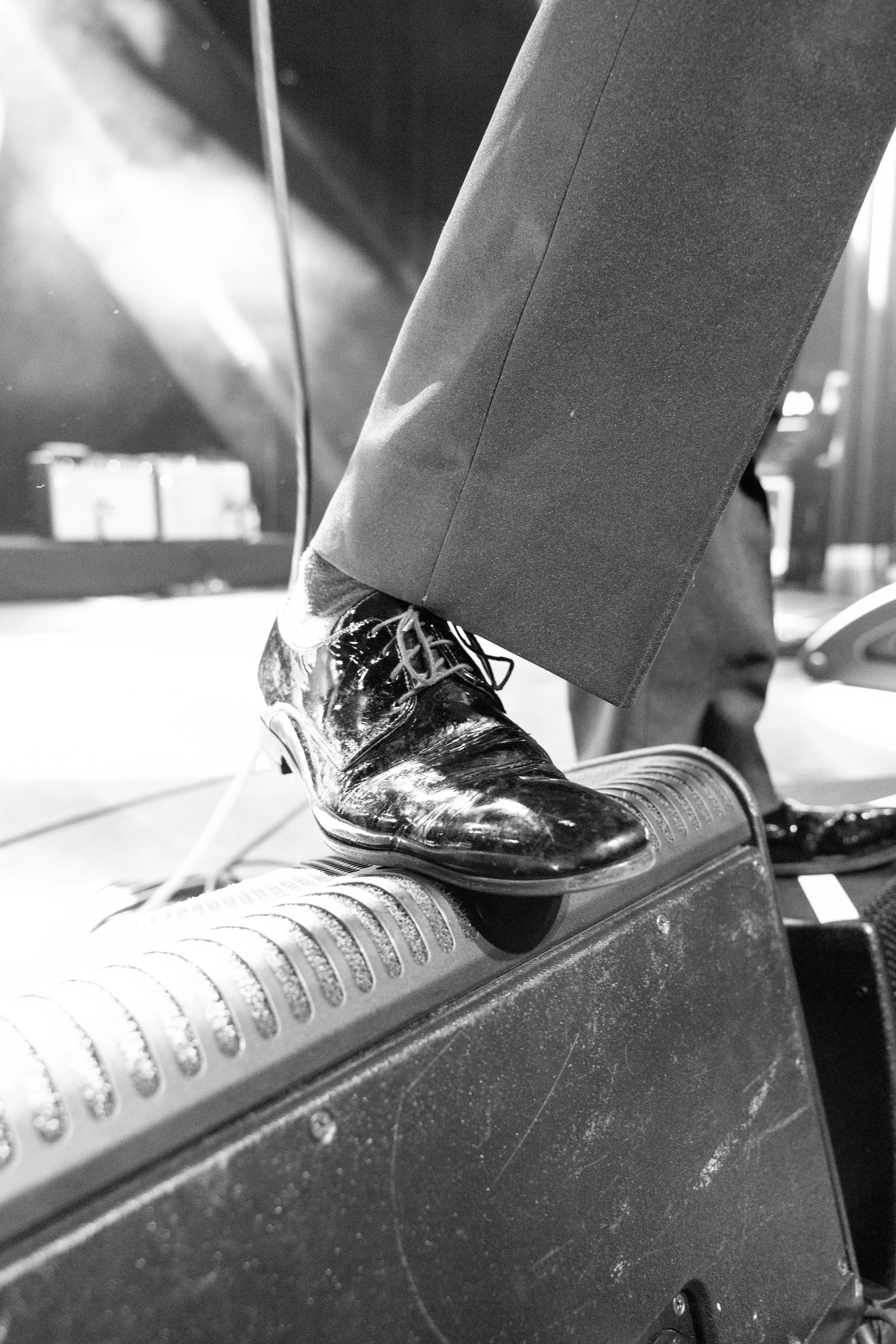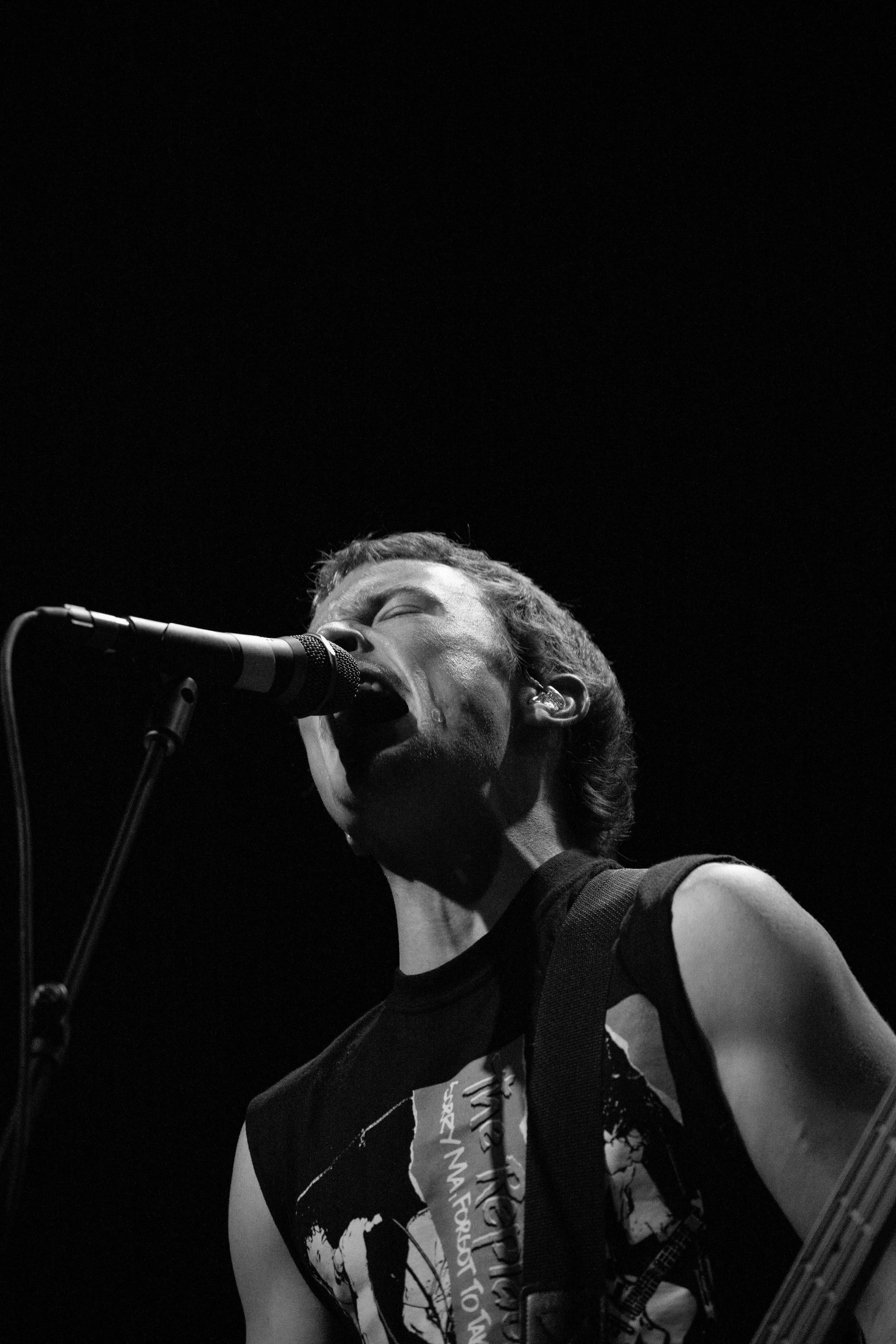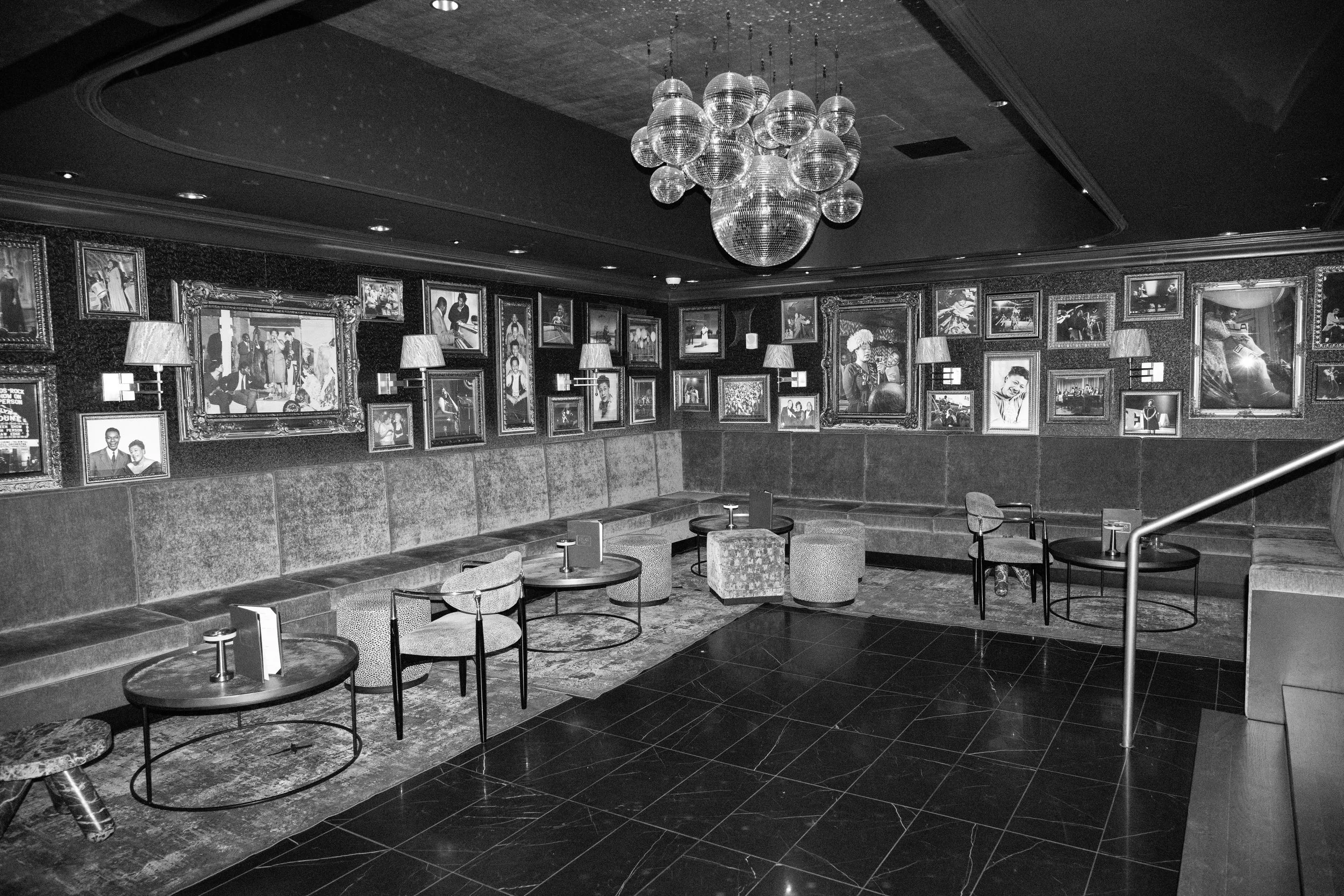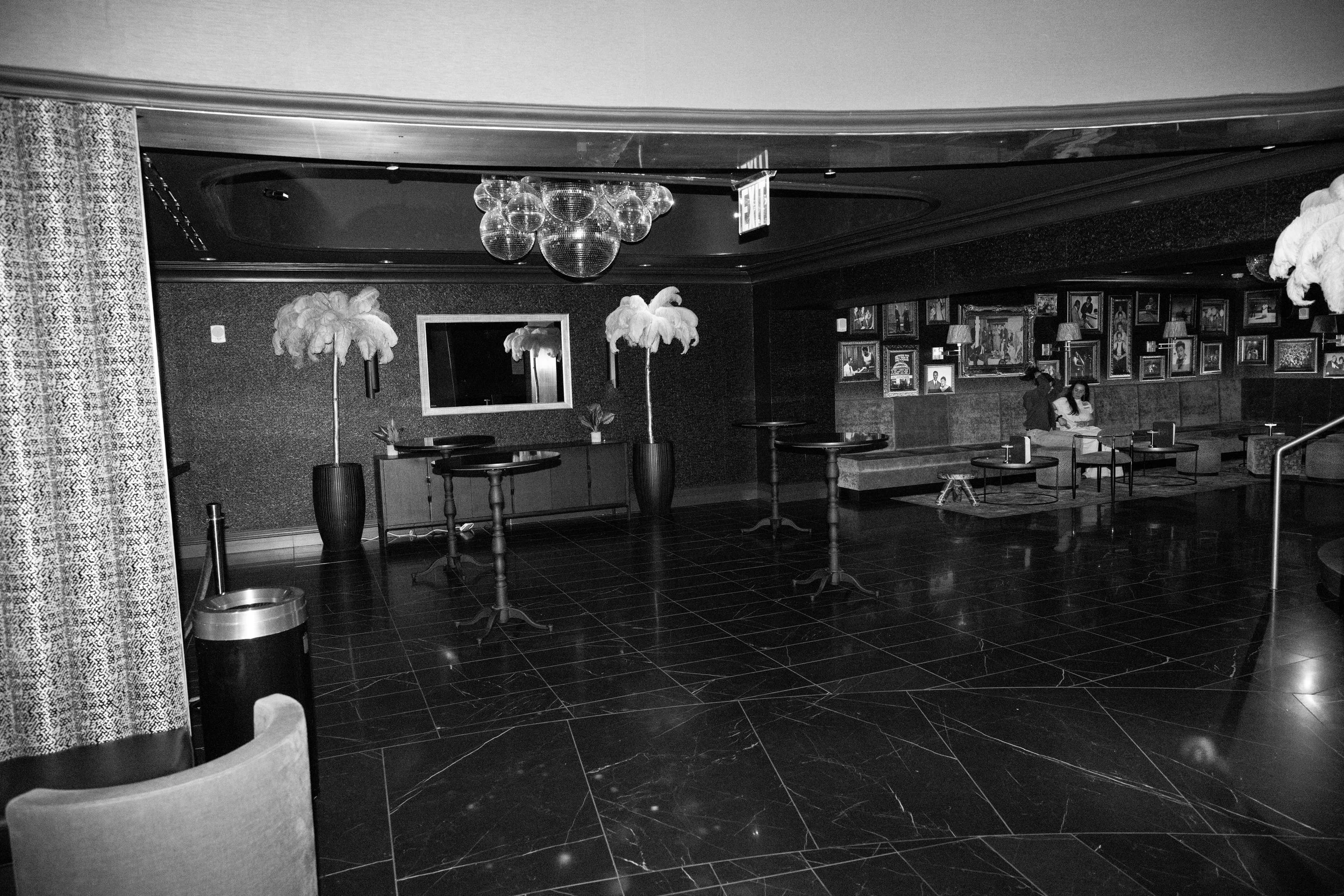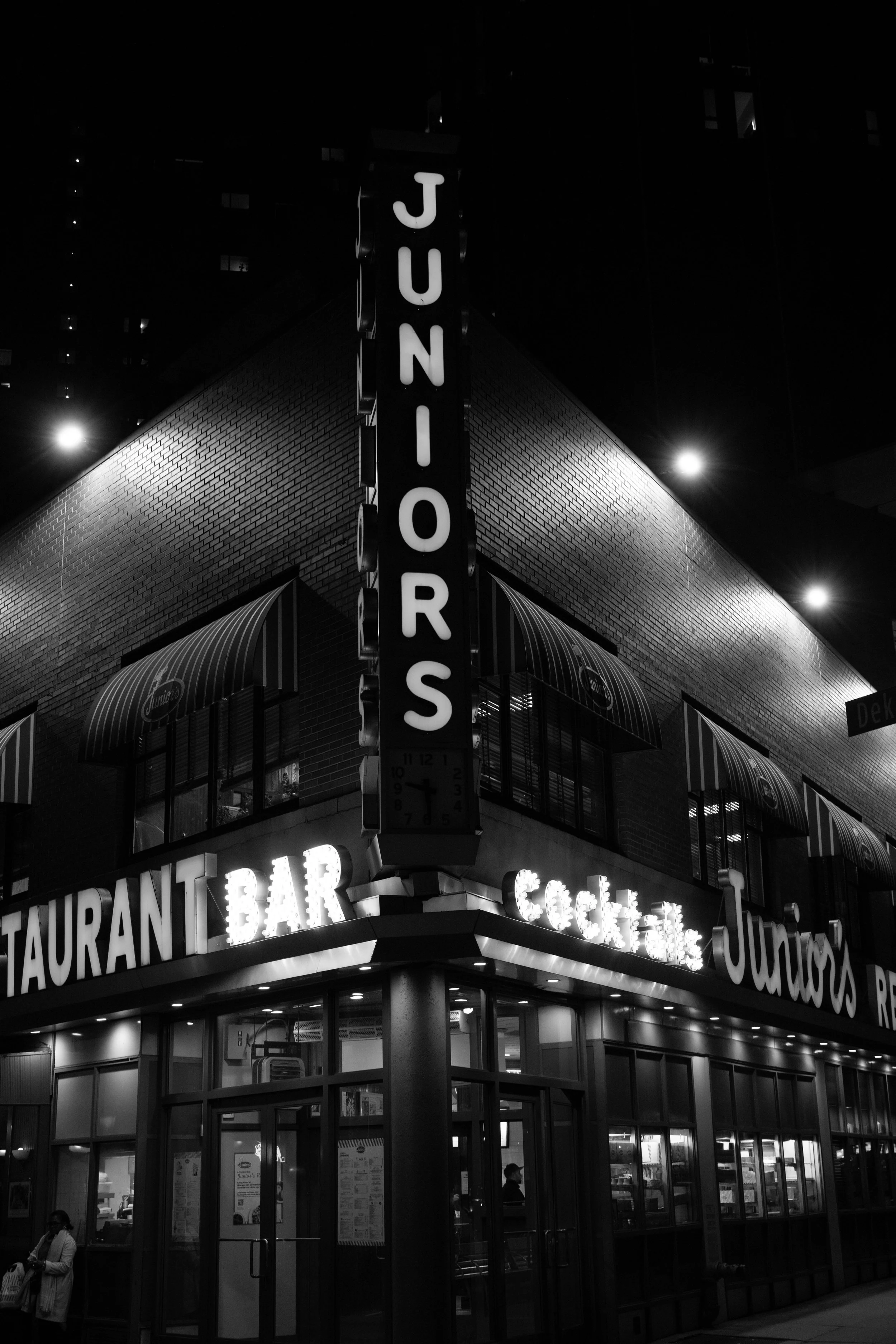
New York is a city of movement — not just in its streets, but in its attitude. Everything feels immediate: the next project, the next place, the next person, the next scene. There is always something to do, someone to photograph, and some collision of culture unfolding in real time that is accessible to those who show up. What I loved most was the confidence of the people. Unlike anywhere else, New Yorkers seem completely, unmistakably themselves — whether it is a cashier at a CVS checkout or an industry titan at the top of their field. The city carries a shared energy of “this is who I am, and I am great at being it”. That force, that pace, and that self-possession are what made New York endlessly compelling to photograph, and balanced the other side of me that is gentler, romantic, more introspective, and idealistic.
New York was one of those cities I felt I understood by moving through it.

It was my first time there, and I stayed in FiDi, which suited me perfectly (save the judgement - it is quiet, dead after 8 PM, and Joe's Pizza is the best slice in Manhattan. I need lame, boring, and predictable to retreat to. Sue me.). I have always preferred staying somewhere quiet when I travel. I need somewhere to come back to, somewhere to decompress. I would rather stay at a Best Western, a small hotel, or an Airbnb in a quieter borough than be in a hotel in the middle of everything where people fuss over you. (I love going days without room keeping. It makes me feel zero pressure and like I am at home). I like being able to step into the city, take it all in, and then have a place where the volume drops. (These are the simple pleasures of a high agency avoidant).

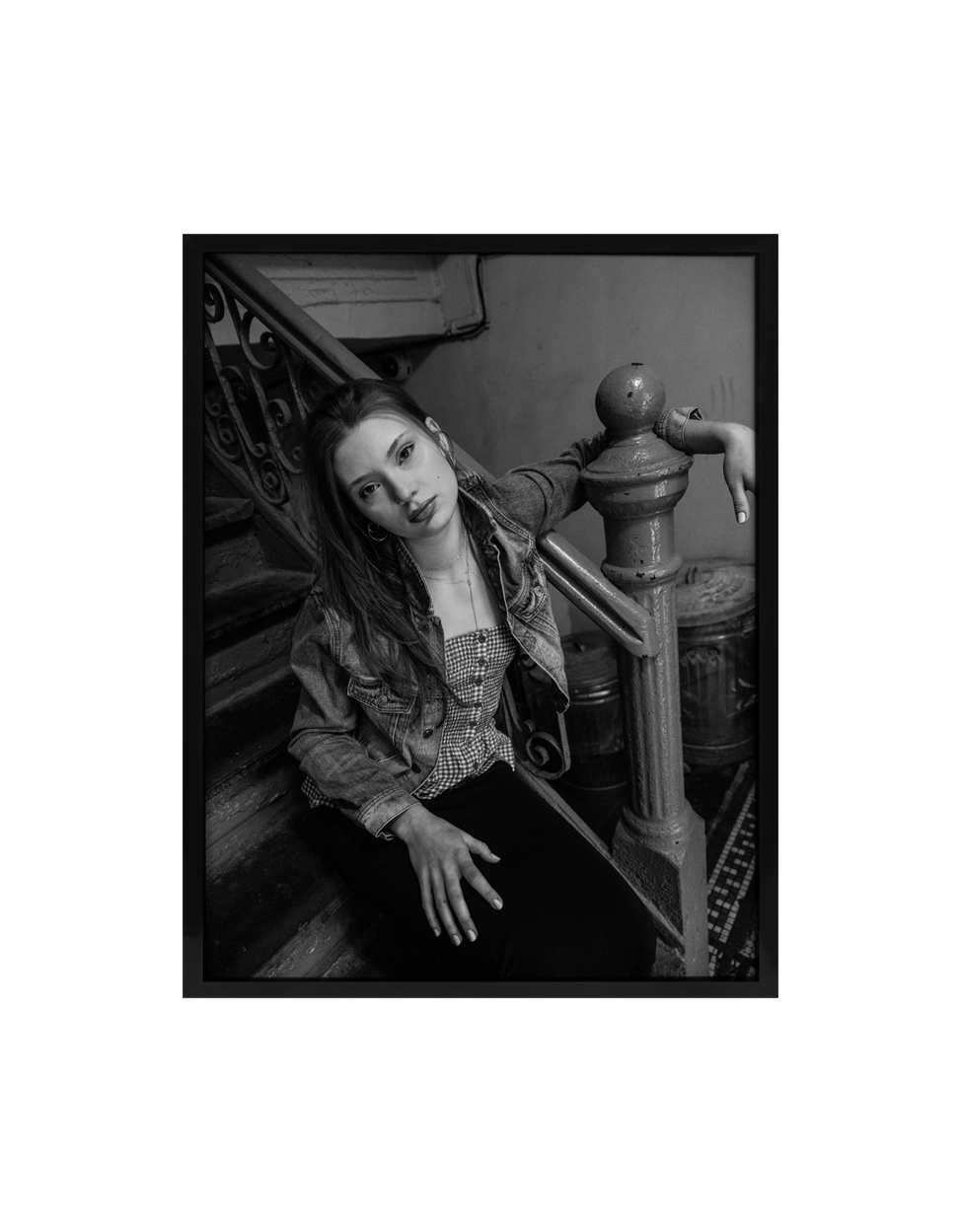
When I arrived, I already had a handful of model test shoots lined up. I love doing test shoots because they are direct and personal. You get to connect one-on-one, or sometimes with a small group, and it becomes less about production and more about spending time with someone. You talk, walk, trade music recommendations, hear about places in the city, and let the day unfold. My shoots are usually very simple and stress-free. Natural light, my camera, and the person in front of me.

That is not to say I do not love a larger production. There is a time for a full team, rentals, cinematic lighting, and a more constructed world. But a test shoot is a test shoot. I have always believed some of the best photographs come from just you, your camera, and the connection happening in real time. I do not know how people carry multiple cameras and dozens of lenses and still expect to catch quick moments they are actually part of. The best camera is the one you have. For a long time, mine was an iPhone because I could not afford a proper camera, or I was borrowing someone else’s. That taught me to pay attention before anything else.

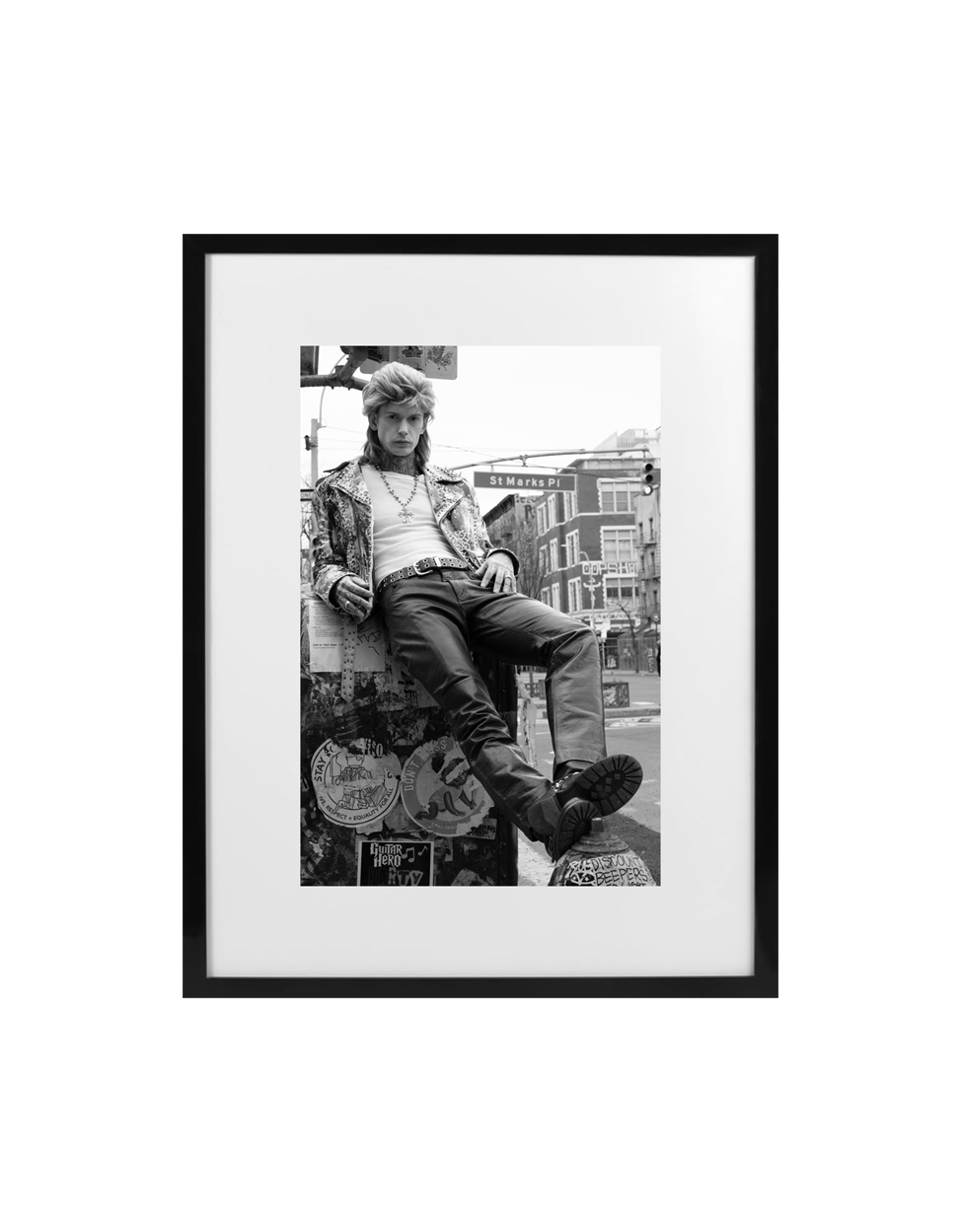
On my first day in New York, I walked from the bottom of the island up to 110th Street. That was how I started to understand the city. I wanted to know it through my feet, not through a map. (I also wanted to lose weight since I had just started with a trainer, was eating a bacon and egger from Dunkin' Donuts every day, and we cannot forget a fat slice of meat lover's from Joe's Pizza). After that, every shoot became another way of learning New York. I would ask the model where they lived, or where they liked to spend time, and we would shoot there. That meant one day I was in Astoria, Queens, then taking the ferry back toward Midtown, then moving through SoHo, Nolita, Hudson Yards, the West Village, the East Village, Harlem, or the Upper East Side.

Unlike Paris, New York is built in a way that makes itself legible. The grid gives you a sense of order. You begin to understand the city in sections, in blocks, in squares of activity and identity. Each neighbourhood has its own temperature, but you can feel how they connect.

The best parts were often the errands and detours. One day you are buying a wig for a shoot, in a car with a model, driving from the Upper East Side to the Bowery, then over to the East Village, then across to the West Village to visit The Leather Man on Christopher Street. At night, you are in lounges and restaurants in SoHo, then Hell’s Kitchen, and then, because it is your first time, you think you might as well walk through Times Square.

I hated Times Square. It looks nothing like you see in movies or pictures, mainly because it is so heavily photographed from the same above-looking-down angle, which you cannot get the same perspective walking into it. You feel too small and can't see the full thing. I remember standing there in Times Square wondering how people exist inside that much blue light. I was taking photos at 64 ISO and 1/500 of a second, and it was still brighter than a beach in California. It was absurd, artificial, and completely overwhelming.

But that was New York too. One minute you are in that electric chaos, and the next you are in Hudson Yards, or at The Eagle, or taking the 5 train back down to FiDi, or walking instead, or catching the 6 from Canal up to the Upper East Side. The city kept moving, and I kept moving with it.

By the end of two weeks, I had built a visual map of New York in my head. Not from landmarks, but from people, shoots, conversations, trains, errands, late nights, and recommendations. I lived off locals-only tips from the models I photographed and the people I met. That was how the city opened up. It became accessible very quickly, almost shockingly so. At one point, I remember saying to a friend, “Damn, this city is actually really small.”

What I loved most was that New York never felt like it was waiting. There was always another project, another person, another place, another scene. Everyone seemed to be moving toward something. And more than that, everyone seemed completely themselves. From a woman working the checkout at CVS to a high-end designer, there was this shared attitude of: this is who I am, and I am great at being it.

That confidence is what stayed with me. New York gave me endless things to photograph, but more than that, it gave me people who knew how to occupy their own lives. That is what made the city feel alive.